A pet that vomits once and acts normal afterward is usually not a concern, but a pet that vomits every few days, week after week, is showing a pattern that needs attention. Chronic vomiting in dogs and cats covers a wide range of underlying causes, including dietary sensitivities, inflammatory bowel disease, parasites, hormonal disorders, and in some cases structural changes that only imaging can detect, and the pattern of vomiting alone rarely tells you which it is. When vomiting comes with weight loss, changes in appetite, or occasional loose stool, the picture becomes more urgent, signaling that the GI tract is struggling to absorb nutrients or maintain normal function.
At Creature Comforts Veterinary Service in Saylorsburg, we are equipped to work through complex GI cases with in-house bloodwork, urinalysis, digital radiography, and ultrasound including abdominal and cardiac imaging with biopsy guidance. Our diagnostic capabilities let us move through the workup efficiently, and we carry Visbiome in stock, available through our in-house pharmacy and online store, for cases where gut flora support is part of the plan. If your pet’s vomiting has you worried, get in touch and we will get you in. We provide 24/7 emergency veterinary care for Saylorsburg pets.
Chronic Vomiting at a Glance
- A pattern is not a quirk: vomiting every few days over weeks warrants a workup, not a wait-and-see.
- The workup is methodical: bloodwork and imaging first, a dietary trial if needed, then endoscopy or biopsy if the picture stays unclear.
- The causes are varied: IBD, lymphoma, kidney disease, hyperthyroidism, pancreatitis, and food sensitivities all look similar but need different treatments.
- Some vomiting is an emergency: blood, abdominal pain, severe lethargy, or unproductive retching needs immediate care, not a chronic workup.
When Does Vomiting Become Concerning?
Vomiting becomes concerning when it forms a pattern over weeks or comes with other signs, so a little observation before the appointment goes a long way.
What Appearance and Frequency Can Tell You
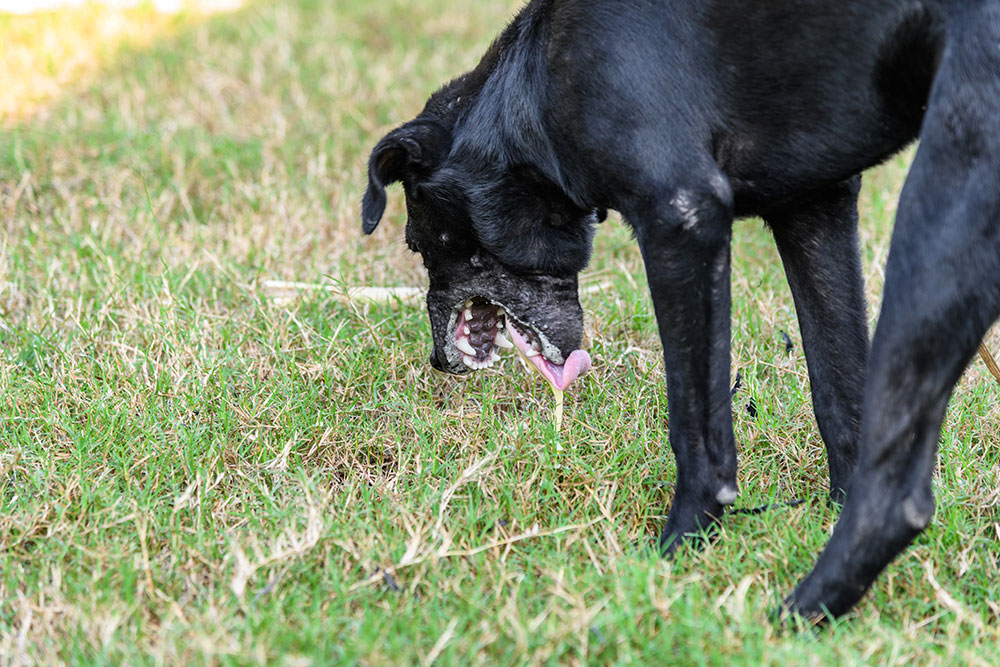
What comes up and how often gives useful information before testing begins, so note the timing relative to meals, how often it happens, what it looks like, and what your pet was doing right before. Take a photo of the vomit before you clean it up, because the appearance of vomit and frequency together inform what we look at first.
| Vomit appearance | What it often suggests |
| Yellow or green bile | An empty stomach, common in the morning |
| Undigested food soon after eating | Rapid emptying, regurgitation, or megaesophagus |
| Dark coffee-ground material | Digested blood from upper GI bleeding |
| Bright red blood | Active bleeding, which is urgent |
| Foamy white liquid | Stomach acid and mucus from an irritated stomach |
When a Vomiting Pet Needs Evaluation
Watch for these patterns, which point toward a workup rather than a single bad day:
- Vomiting consistently for multiple weeks
- Frequent hairballs in cats, where more than once or twice a month is worth investigating
- Unexplained weight loss
- Increased thirst or urination
- Low energy
- Concurrent diarrhea
- Subtle behavioral changes alongside the GI signs
Senior pet health issues often first present as chronic vomiting, so older pets with new or worsening vomiting deserve particular attention, since age-related organ diseases frequently start this way.
When Vomiting Is an Emergency
Do not wait for an appointment. Call us or head to emergency care for:
- Vomiting blood
- Abdominal distension or pain
- Unproductive retching, especially in deep-chested dogs, which can indicate bloat
- Inability to keep water down
- Severe lethargy
- Vomiting in a very young or very old pet alongside other symptoms
Our 24/7 emergency care is available exactly for these situations.
What Causes Chronic Vomiting in Dogs and Cats?
Chronic vomiting is rarely a single-system problem, so the workup methodically rules out the major cause categories. Finding the root cause sometimes takes multiple visits and tests, which is the nature of the workup rather than a failure of it.
Food, Diet, and Dietary Indiscretion
Food Choice
Food is one of the most common contributors and one of the last things owners think to question. Food allergies, which are true immune-mediated reactions to specific proteins, and food intolerances, which are non-immune reactions that look similar, both produce chronic vomiting. Dietary inconsistency perpetuates symptoms because the triggering ingredient never gets identified clearly, so our nutritional counseling can help you build a consistent plan when pet food selection becomes the question.
Dietary Indiscretion
The other half of the diet picture is what pets eat when they should not. Trash raids, goose or rabbit droppings on walks, swallowed fabric, small toys, or any non-food object can produce vomiting. GI obstructions from partially obstructive foreign bodies are particularly tricky because they often cause intermittent vomiting rather than the dramatic acute presentation owners expect, since small objects can sit in the GI tract and cause symptoms that come and go for days or weeks. Our surgical services handle foreign body removal when imaging identifies the problem.
Systemic and Organ Disease
Vomiting is not always a stomach problem, since several systemic conditions trigger nausea as a secondary effect, and treating the GI symptoms without addressing the underlying organ disease does not produce lasting improvement:
- Chronic kidney disease causes nausea as toxins build up, often with increased thirst, weight loss, and decreased appetite.
- Gall bladder disease and liver disease both produce chronic nausea.
- Hyperthyroidism in cats accelerates metabolism and affects GI motility.
- Pancreatitis in either species can be chronic and subtle, often coexisting with intestinal or liver disease.
Primary GI Tract Disorders
Once systemic causes are ruled out, the focus shifts to conditions originating within the GI tract itself:
- Inflammatory bowel disease: chronic intestinal inflammation causing persistent vomiting, weight loss, and sometimes diarrhea.
- Lymphoma: especially in cats, intestinal lymphoma can look almost identical to IBD without a tissue biopsy.
- Gastric ulcers: from NSAIDs, stress, or other irritants, often with dark or coffee-ground vomit.
- Bilious vomiting syndrome in dogs: early-morning vomiting of yellow bile from an empty stomach, often responsive to a small bedtime snack.
- Pyloric stenosis: narrowing of the stomach outlet, often seen in young brachycephalic dogs.
- Gastric cancer: less common than the above but on the differential, especially in senior pets with new chronic vomiting.
Distinguishing between these depends on diagnostic findings combined with your observations of pattern and timing.
Can Eating Habits and Stress Cause Vomiting?
They can, and both are easy to overlook because they mimic medical causes so closely.
Fast Eating
A pet who eats so quickly that food comes back up nearly undigested shortly after the meal is showing a structural rather than a medical problem. “Scarf and barf” is common in multi-pet households and in pets with a history of uncertain food access, and the fix is mechanical:
- Slow-feed bowls or interactive feeders
- Feeding pets separately so there is no competition
- Smaller, more frequent meals
- Floor-level feeding instead of elevated bowls, since gravity matters
Stress and Anxiety
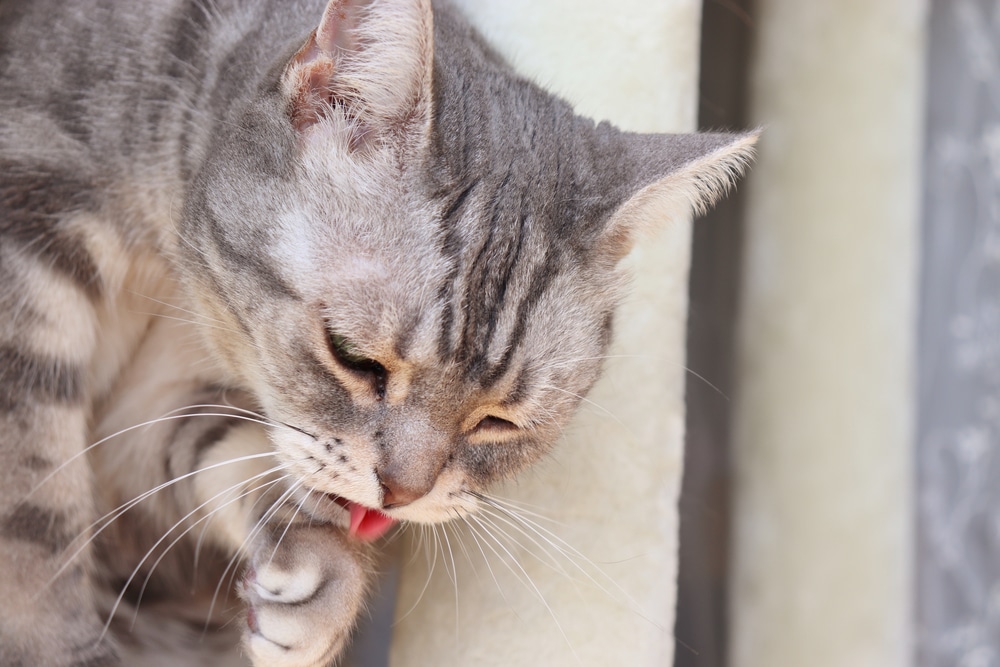
Chronic stress and anxiety are underappreciated drivers of GI symptoms, particularly in cats. Stress and anxiety in dogs can cause vomiting that looks identical to medical causes, and so can feline stress, with common triggers including household routine changes, new pets or people, conflict between cats, and prolonged environmental tension. Stress-driven vomiting often shows up alongside behavioral changes like hiding, overgrooming, or social withdrawal, and our alternative medicine services include modalities that support stress reduction alongside the conventional workup.
How Does the Diagnostic Workup Work?
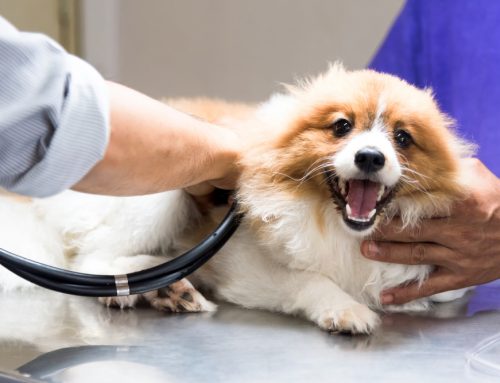
The workup starts with a thorough history and physical exam, then proceeds methodically through baseline diagnostics:
- Bloodwork: a CBC, chemistry panel, and thyroid testing, especially in cats over seven, to identify systemic causes.
- Urinalysis: checks kidney function and urine concentration.
- Fecal testing: parasites and bacterial pathogens cause chronic vomiting and are easy to miss.
- X-ray, sometimes with barium contrast, to identify obstructions, masses, and structural abnormalities.
- Ultrasound: characterizes intestinal wall thickness, lymph nodes, and soft-tissue findings invisible on X-ray, and is often where IBD-versus-lymphoma differentiation starts.
Established wellness baselines make changes in values more meaningful over time, since a kidney value that has drifted over two years tells us more than a single number ever could.
What Is an Elimination Diet Trial?
When baseline diagnostics do not identify a cause, a structured diet trial is the next step, using one of two approaches:
- Novel protein diet: a single protein your pet has never been exposed to, such as rabbit, kangaroo, or venison, depending on diet history.
- Hydrolyzed protein diet: proteins broken down into pieces too small for the immune system to recognize.
Strict compliance is essential. The trial lasts 8 to 12 weeks, during which the pet eats only the trial diet and water, with no treats, table scraps, flavored medications, or food sharing with other pets. Over-the-counter limited-ingredient foods are not appropriate for diagnostic trials, because manufacturing cross-contamination invalidates the test.
When Are Endoscopy and Biopsy Needed?
When initial testing and diet trials do not identify the cause, advanced diagnostics are the next step.
Endoscopy
Endoscopy uses a flexible camera passed under anesthesia to directly visualize the upper GI tract and collect tissue samples. It is minimally invasive with rapid recovery, and it is appropriate when initial testing has not identified the cause or when the GI lining needs direct assessment. We coordinate endoscopic procedures through referral when they are the right next step.
Exploratory Surgery and GI Biopsy
Exploratory surgery allows direct examination of abdominal organs and collection of full-thickness GI biopsy samples from multiple locations at once. Full-thickness tissue reveals conditions that surface endoscopic samples may miss, particularly lymphoma in cats. Surgery is recommended when imaging identifies abnormalities, when full-thickness tissue is needed, or when a blockage or mass requires direct intervention.
What Biopsy Results Reveal
Distinguishing IBD, intestinal lymphoma, other GI cancers, infections, and different inflammatory patterns depends on histopathology. The distinction matters because treatments differ entirely, and accurate tissue diagnosis enables targeted therapy rather than empirical treatment that may underdose a cancer or overuse immunosuppression.
How Is Chronic Vomiting Treated?
Treatment follows the diagnosis, which is the whole point of the workup, and falls into a few patterns.
Managing Food-Responsive Vomiting
Management centers on maintaining the diet that resolved symptoms during the trial, with consistent household rules about treats and table food. Plan ahead for holidays, travel, and family gatherings, and watch for ingredient changes if the manufacturer reformulates the food.
IBD Management
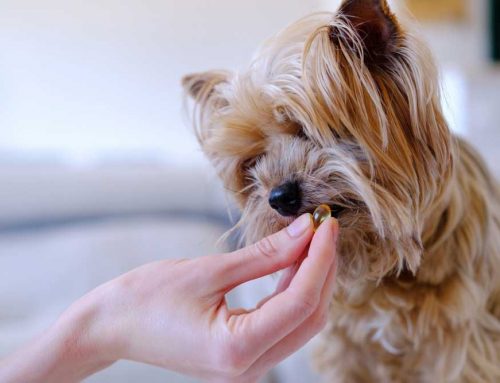
Treatment combines anti-inflammatory or immunosuppressive medications with dietary adjustments to support gut function. Probiotics including Visbiome, which we carry in-house and through our online store, and FortiFlora support gut flora and often improve outcomes. Individual responses vary, and treatment is adjusted based on each patient’s progress.
Treating Systemic Causes
When systemic disease is driving the vomiting, the therapeutic focus shifts to the underlying organ condition, since resolving or stabilizing the core problem typically produces significant improvement in the GI symptoms.
Frequently Asked Questions About Chronic Vomiting
How Often Does My Pet Need to Vomit Before I Should Worry?
More than once a month is worth a conversation, and weekly or more is worth a workup. A single episode that fits an obvious cause like eating too fast or a hairball and then resolves can wait for the next visit. Persistent or escalating vomiting deserves earlier attention, especially with weight loss, appetite changes, or low energy.
Will Probiotics Help My Pet’s Vomiting?
For some causes, yes, and for others, no. Probiotics like Visbiome and FortiFlora can support gut function in pets with IBD, antibiotic-related GI upset, or dysbiosis, but they are not a substitute for diagnostics. Adding a probiotic to a pet with an underlying obstruction or systemic disease will not fix the underlying problem.
My Pet Vomits in the Morning Before Eating. Is That Normal?
It is a common pattern called bilious vomiting syndrome, where the stomach sits empty too long, bile builds up, and vomiting follows. A small bedtime snack often resolves it, and if that does not help, or if the morning vomiting is part of a broader pattern, a workup is worth doing.
Why Does the Workup Take So Long?
Because the cause categories are different and each requires different tests. Bloodwork rules out systemic disease, imaging rules out obstruction and structural disease, diet trials test for food sensitivity, and biopsies distinguish IBD from lymphoma. No single test does all of this, and the methodical approach gets to a real answer, which means treatment that works rather than guessing.
Getting to a Real Answer
Chronic vomiting is exhausting to manage without knowing the cause, both for you and for your pet. A methodical workup gets to an answer, and an answer means a treatment plan that actually works rather than a series of guesses. The team here does not give up until we know what we are treating.
If your pet has been vomiting on a pattern and you are ready for real answers, reach out to us and we will get you on the schedule.