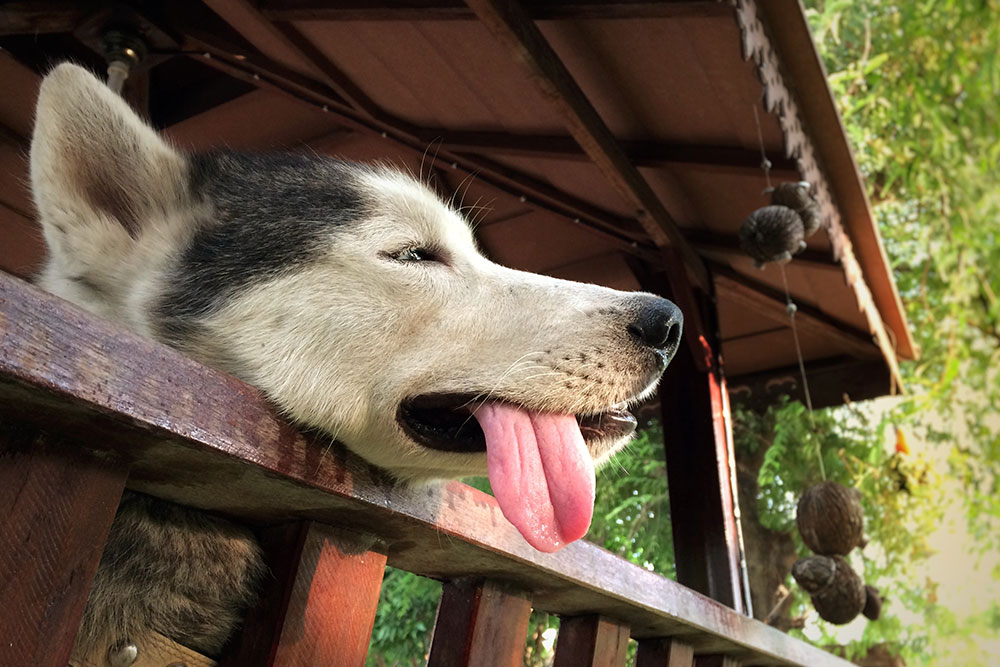
The earliest signs of heat stroke in a dog or cat are panting that will not slow, gums that turn bright red or muddy, ropey drool, glassy eyes, stumbling, vomiting, or collapse, and catching these in the first few minutes is what separates a scary afternoon from a fatal one. A pet cooling off from a normal warm day settles quickly with shade and water. A heat stroke case keeps escalating instead, and the internal injury to the kidneys, liver, and clotting system continues for hours after the body surface feels cool again. Move them into shade or running AC, pour cool water (not ice) over the belly, chest, and paw pads, and aim a fan if one is handy. Then get them to emergency care right away, because the dangerous part of heat stroke happens on the inside long after a pet appears to bounce back.
Creature Comforts Veterinary Service keeps a fully staffed hospital running in Saylorsburg around the clock, so a dog or cat in a heat crisis never meets a locked door when you pull up to our 24/7 emergency entrance. Our in-house lab, X-ray, and ultrasound let us measure kidney function, liver enzymes, and clotting times within minutes of arrival. Call us on your way in, and we will have a triage bay set up and IV fluids ready before your tires hit the parking lot.
The Fast Facts Worth Remembering
- Heat stroke is a true emergency that keeps damaging the kidneys, liver, and clotting system for hours after a pet’s skin feels cool again, so a fast look-over at the hospital matters even when your pet seems to perk up.
- The right first aid is cool tap water over the belly and armpits plus a fan, never an ice bath, while you head straight for veterinary care.
- Flat-faced breeds, thick-coated pets, seniors, puppies and kittens, and overweight animals overheat the fastest and need the most careful summer planning.
- Simple habits like early-morning walks, shade, fresh water everywhere, cool tile floors, and never leaving a pet in a parked car prevent the vast majority of heat emergencies.
Which Warning Signs Tell You It Is a Real Emergency?
Heat stroke announces itself in stages, and reading the stage tells you how fast to move. Frantic panting and thick, ropey drool are the early signs of heat stroke; brick-red or pale gums, wobbliness, vomiting, and collapse mean the situation has already turned dangerous. The single best window to check is the gums, because their color tracks how hard the body is struggling.
| Stage | What you might see | What it means |
| Mild (early) | Heavy panting, restlessness, seeking shade, thick drool, warm to the touch | The body is working hard to cool down; act now |
| Moderate | Bright or brick-red gums, fast heartbeat, glassy eyes, mild wobbliness, vomiting | Cooling is failing; start first aid and head in |
| Severe | Pale or muddy gums, staggering, diarrhea (sometimes bloody), seizures, collapse, unresponsiveness | A life-threatening crisis; come straight in |
Cats hide distress, so open-mouth breathing in a cat is never normal and always warrants a same-day call. When in doubt, treat it as the more serious stage. Nobody has ever regretted rushing a pet in who turned out to be fine.
What Are Your First Moves When a Pet Starts Overheating?
Your first moves are to get your pet out of the heat, wet the belly, armpits, and paw pads with cool tap water, and aim a fan at the damp fur while you head for the car. Skip the ice bath, which can backfire by clamping the surface blood vessels shut.
The goal in these first minutes is to lower the temperature gradually while you get moving toward help, not to shock the system, which means active cooling with cool tap water and airflow rather than dunking your pet in icy water. Work through these steps in order:
- Get them out of the heat: Move to shade, a cool tile floor, or a room with the AC running.
- Wet the right spots: Pour or spray cool (not icy) tap water over the belly, armpits, and paw pads, where blood runs close to the surface.
- Add airflow: Point a fan at the damp fur; evaporation is what actually pulls heat away.
- Offer small sips: Let them drink a little cool water if they want it, but never force water into the mouth.
- Skip the wet towel wrap: Draping soaked towels over the back traps heat instead of releasing it, so leave the fur open to the air.
- Do not overcool: Once your pet perks up and stops frantic panting, ease off; overshooting into shivering is its own problem.
Then call us and start driving. If severe signs appear, call us right away so we can prep while you are still on the road.
How Does the ER Treat a Pet With Heat Stroke?
In the hospital, we work on three fronts at once: bringing your pet’s core temperature down in a controlled way, replacing the fluid the body has lost, and staying ahead of the organ damage heat leaves behind. All three start the moment your pet reaches us.
The first day is genuinely the most dangerous window, which is why around-the-clock emergency care matters so much for a heat case. IV fluids restore blood pressure and protect the kidneys, oxygen supports labored breathing, and bloodwork run in-house shows us in real time how the liver and clotting system are holding up. From there, treatment is tailored to what each pet’s body is telling us, and we will walk through every option and finding with you as the picture unfolds. Steady monitoring, not a single quick fix, is what carries a pet out the other side.
Why Can a Pet Seem Fine After Heat Stroke and Still Be in Danger?
A pet can perk up after cooling and still be in real danger, because the heat has already injured organs on the inside. That damage plays out over the next several days, with the kidneys, liver, heart, and gut most at risk during the 24 to 72 hours after the event.
The scary part is how quietly this unfolds. A pet can seem back to normal and still slide into delayed organ dysfunction after a heat event days after the crisis seems over.
One of the deadliest delayed complications is abnormal clotting and internal bleeding, where the body throws clots and loses blood uncontrollably at the same time, which is exactly why we recommend monitoring even a pet that seems back to normal. Repeat in-house bloodwork, X-rays, and ultrasound let us catch these shifts early, while there is still time to act, rather than after the damage is done.
What Makes Some Pets Overheat Long Before Others?
Some pets start the fight against heat with a handicap. Flat-faced breeds, overweight pets, thick double coats, very young or senior animals, and those with heart or airway conditions all lose heat slowly. That is why a walk that feels warm to you can push one dog into real trouble while another shrugs it off.
Dogs and cats cannot sweat the way we do. A dog sheds heat mainly through panting, moving warm air across a wet tongue and airway, with only a trickle of sweat through the paw pads. Cats pant far less and rely on grooming and finding a cool spot. On a humid day, panting struggles to keep up because the air is already saturated, and body temperature climbs fast.
Flat-faced breeds already struggle to breathe normally and excess weight adds to the struggle, so an overweight bulldog or Persian is fighting on two fronts. A quick weight and breathing check at a wellness exam helps us tailor a summer plan to the pet in front of us rather than a one-size-fits-all rule.
Keeping Water Close and Body Heat in Check
Keeping a pet cool comes down to fresh water everywhere you go, a cooling mat or damp towel to lie on, real shade, and a break before the first hard pant rather than after it. Most heat emergencies are preventable, and the fixes are refreshingly simple.
Solid hot-weather hydration and cooling aids do not require special gear. A collapsible travel bowl in your bag, a few extra water stations around the house, and a shaded spot in the yard cover most of what a pet needs on a hot day. Watch for that first heavy pant as your cue to slow down, not your cue that it is already too late.
When Is It Actually Safe to Head Outside?
Safe warm-weather exercise means walking in the early morning or after sundown, dialing back the intensity, testing the pavement with your own hand before your dog’s paws touch it, and ending play the moment the panting turns frantic. If you cannot hold the back of your hand on the sidewalk for seven seconds, it is too hot for paws. Keep sessions short, carry water, and remember that the dog who never wants to quit is exactly the one you have to call off early.
Is a Quick Errand in the Car Ever Okay?
A parked car can hit 120 degrees within 20 minutes on an 85 degree day; hot vehicles take pets’ lives every summer even with the windows cracked, because that small gap sheds almost none of the trapped heat. Even a quick errand is too long, and Pennsylvania law gives responders latitude to act when an animal is in danger inside a hot car. There is no safe version of this one: the pet stays home when the destination is not pet-friendly. If your pet was shut in a hot car, call for triage guidance before you wait to see how they do.
Giving an Outdoor Cat a Fighting Chance in the Heat
An outdoor cat needs cool options they can reach on their own: several shaded water bowls refreshed through the day, a ventilated shelter out of direct sun, and an easy way back indoors when the afternoon heat peaks. Spread those resources across the areas where your cat actually roams.
Outdoor cat summer safety starts with water: set it out in more than one spot and top it up often so it stays cool. Give them a shaded, breezy retreat, and consider a secure enclosure or supervised time outside so your cat can enjoy the yard without baking in the sun.
Beating the Heat with Indoor Fun That Burns Energy
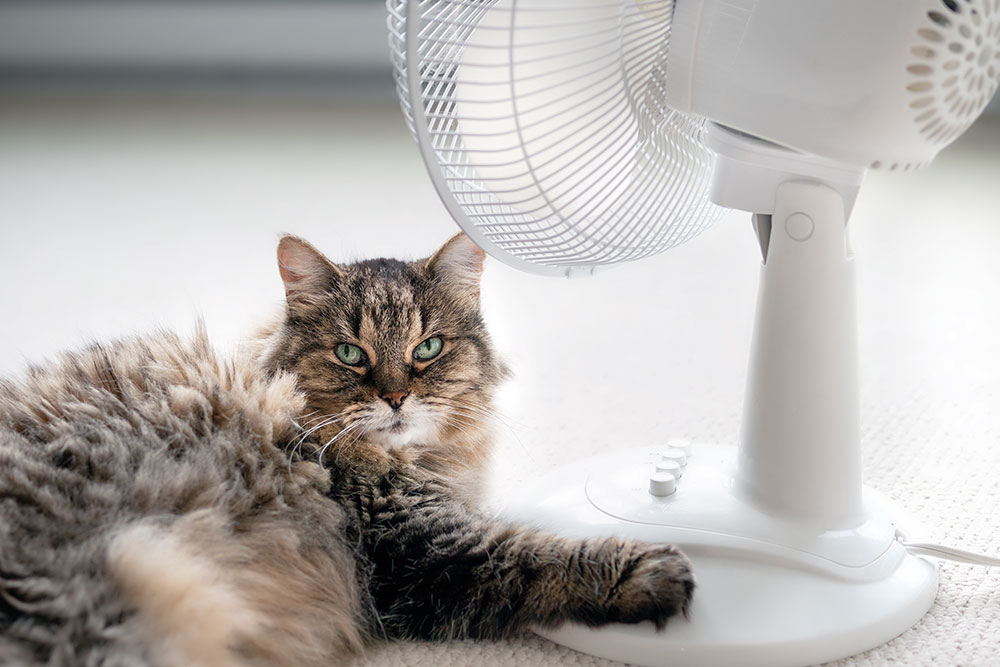
The coolest place on a hot afternoon is inside, so pair air conditioning and a cool tile floor with play that does not crank your pet’s body temperature back up. Give them shaded rooms and a whirring fan, and shift the fun toward the brain instead of the legs.
The trick is low-effort indoor enrichment that keeps a bored pet entertained through the hottest hours without the running and roughhousing that undoes all that cooling.
A frozen stuffed toy, a snuffle mat, or other homemade puzzle and scent games tire a pet out through their nose and brain instead of their legs, which is exactly what you want on a day too hot for the yard. Save the fetch and the zoomies for the cool part of the evening.
Your Heat Stroke Questions, Answered
What temperature is dangerous for dogs and cats?
There is no single magic number, because humidity, coat, age, and activity all shift the risk. As a rule of thumb, once it climbs past the mid-80s Fahrenheit, and especially when the air is muggy, cut outdoor time way back and keep a close eye on panting. Flat-faced breeds, seniors, puppies and kittens, and overweight pets can struggle at lower temperatures than that, so watch the pet, not just the thermometer.
Can I use ice or ice water to cool my pet down?
Skip the ice. Ice-cold water and ice packs can constrict the blood vessels at the skin surface, which actually slows heat loss and can trigger shivering that generates more heat. Cool or tepid tap water over the belly and armpits, plus a fan, cools more effectively and safely. Save the speed for the drive to the hospital, not the water temperature.
My pet cooled off and seems fine now. Do we still need to come in?
Coming in is still important even after your pet seems to recover. The most dangerous part of heat stroke happens internally over the next one to three days, and a pet can look completely normal while the kidneys, liver, or clotting system are already in trouble. A round of bloodwork and observation catches problems while they are still fixable, and advanced monitoring and support are here if a complication does develop.
Your Partner in a Safe, Happy Summer Ahead
Heat stroke is a true emergency, but it is also one of the most preventable ones we see. Recognizing that first frantic pant, cooling the right way, and getting in for a look-over even when your pet seems fine are the moves that save lives.
Thoughtful routines, early walks, shade, fresh water, cool floors, and a hard no on parked cars keep the season fun and worry-free. If you want a plan built around your pet’s breed, age, and habits, book a summer safety visit with us at Creature Comforts Veterinary Service. And when a heat crisis strikes at any hour, emergency care around the clock is ready.