Many diabetic dogs and cats can seem perfectly normal at breakfast and be critically ill by that evening if something goes wrong. A missed insulin dose, an underlying infection, a stressful event, or even a sudden change in how the body responds to insulin can quickly send diabetes out of control. In some pets, that spiral leads to diabetic ketoacidosis (DKA), a life-threatening complication that develops when the body can no longer use glucose for energy and instead burns fat so rapidly that toxic ketones build up in the bloodstream. As the condition worsens, heavy thirst and urination give way to vomiting, weakness, dehydration, deep or rapid breathing, and eventually collapse. Low blood sugar from too much insulin can become just as dangerous, causing tremors, seizures, or loss of consciousness within minutes. The key is recognizing that a diabetic pet can go from having a normal day to needing emergency care much faster than many owners expect.
Creature Comforts Veterinary Service has 24/7 emergency care in Saylorsburg, and we keep a fully staffed hospital running around the clock for exactly this kind of crisis. Our team has the in-house bloodwork and urinalysis to confirm the problem and move fast to correct it. That speed matters because the first hours of stabilization shape the outcome, and we work with your family on every decision as your pet improves. If your diabetic pet is vomiting, breathing strangely, or unsteady on their feet, head straight in and call us on the way so we are ready when you pull up.
Core Points
- DKA is a life-threatening state that can develop within hours when a diabetic pet’s cells run out of fuel and the body floods the blood with acidic ketones.
- Both very high and very low blood sugar count as emergencies, so knowing the difference between a hypoglycemic crash and a hyperglycemic crisis helps you act fast.
- Simple home first aid, like rubbing a sugar source on the gums during a low, can buy critical minutes while you get to us.
- Consistent insulin timing, steady meals, and regular monitoring prevent most crises, and our team is here around the clock when one starts.
What Is Diabetes in a Dog or Cat, and What Are the Early Warning Signs?
Diabetes mellitus is a hormonal condition where the body can no longer keep blood sugar in a safe range. The earliest warning signs are increased thirst, increased urination, a bigger appetite paired with weight loss, and a dull coat. It can cause both slow damage and fast emergencies, which makes early recognition worth the effort.
For all the worry it stirs up, diabetes in pets is one of the more manageable chronic conditions once you understand how the body loses its grip on blood sugar and how quickly a normal day can tip toward a crisis.
The relationship between insulin and blood glucose is the whole story here: insulin is the key that lets sugar leave the blood and fuel the cells, and diabetes either removes the key or jams the lock. When the pancreas stops making enough insulin, it is called insulin deficiency, and this is the more common form in dogs. When the body still makes insulin but the cells stop responding to it, that is insulin resistance, which is the pattern we see more often in cats, especially heavier ones. Either way, sugar piles up in the bloodstream while the cells go hungry.
The early signs are easy to write off as quirks. A dog who suddenly drains the water bowl and asks to go out more often, or a cat who is losing weight while eating with real enthusiasm, is often waving the first flag. Catching those patterns early is what keeps a manageable diagnosis from becoming a midnight emergency. A baseline built from annual wellness exams and bloodwork makes those subtle shifts far easier to spot. Our in-house laboratory testing can confirm a diagnosis and check kidney and hydration values in the same visit.
How Do I Recognize and Respond to Low Blood Sugar at Home?
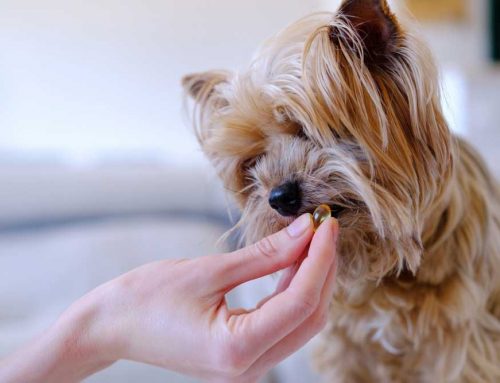
To recognize low blood sugar, watch for trembling, wobbling, disorientation, or sudden sleepiness. To respond, rub corn syrup or honey on the gums if your pet is awake and able to swallow, then head to a veterinarian. Hypoglycemia, the medical name for a low, happens when there is too much insulin relative to the sugar in the blood.
A low can escalate from a mild wobble to a seizure faster than most families expect. The earliest signs of low blood sugar are easy to miss at home: a sudden wobble, trembling, glassy disorientation, or unusual sleepiness that shades into weakness before a seizure or collapse ever appears.
If your pet is awake and able to swallow, act quickly. Hypoglycemia first aid starts with a fast sugar source, such as corn syrup or honey rubbed onto the gums, but only if your pet is awake enough to swallow safely. Never pour liquid into the mouth of a pet who is seizing, unconscious, or too groggy to swallow, since it can end up in the lungs. Then head in. Even when the sugar rub seems to snap them back, the underlying cause has not been fixed, so a diabetic pet who has had a low still needs to be seen. We provide around-the-clock emergency care so there is always somewhere to go, day or night, and recurring lows are worth a conversation about adjusting the plan.
How Do I Tell the Difference Between High Blood Sugar and DKA?
Not every high blood sugar reading is an emergency, but diabetic ketoacidosis is, and the difference comes down to whether the body has started burning fat and making ketones. Routine hyperglycemia means blood sugar is running higher than target, which can happen with a missed insulin dose, a diet change, an infection brewing somewhere, or plain stress. DKA is the dangerous next chapter.
Diabetic ketoacidosis develops when cells are starved for sugar even though blood levels are high, forcing the body to burn fat and flood the bloodstream with acidic ketones that quickly become life-threatening. Those acids throw off the whole system: hydration, electrolytes, and the ability to keep anything down. This is why a diabetic pet can look “off” in the morning and be critically ill by afternoon.
The red flags of ketone buildup include relentless vomiting, refusal to eat, deepening lethargy, rapid breathing, and a sweet, acetone-like smell on the breath that means the clock is already running. If you see the DKA symptoms in front of you, do not wait for morning. Call us right away and head in.
Which Everyday Habits Prevent Most Blood Sugar Emergencies?
Most blood sugar emergencies trace back to a handful of avoidable slip-ups: a double dose, insulin given on an empty stomach, a syringe mismatch, or a lapsed routine. Managing diabetes at home comes down to building a few simple safeguards into your daily rhythm that closes those gaps, and it is one of the most effective things you can do to keep ordinary days ordinary.
Run through this checklist and build the habits that stick:
| Daily safeguard | Why it matters |
|---|---|
| One person on insulin, or a check-off chart | Double-dosing is a top cause of a dangerous low, and it usually happens when two people each assume the other skipped it. Assign a single insulin person or mark a fridge log the moment a dose goes in. |
| Confirm your pet has eaten before dosing | Insulin lowers blood sugar whether or not there is food to balance it, so a dose on an empty stomach can bottom out fast. If your pet skipped the meal, hold the dose and call us before giving it. |
| Never switch insulin type or brand without checking first | Some generic and human insulins are not truly interchangeable, even when a pharmacist says they are “the same.” Run any change past our team before the first new dose. |
| Use the matching syringe | Insulin comes in different concentrations (U-40 and U-100), and the wrong syringe delivers the wrong amount even when the number looks right. Match the syringe to your specific insulin every time. |
| Keep insulin in date and stored correctly | Expired, overheated, or counter-left insulin quietly loses strength and sends blood sugar climbing for no reason. Most insulins need refrigeration, so keep it cold and check the expiration. |
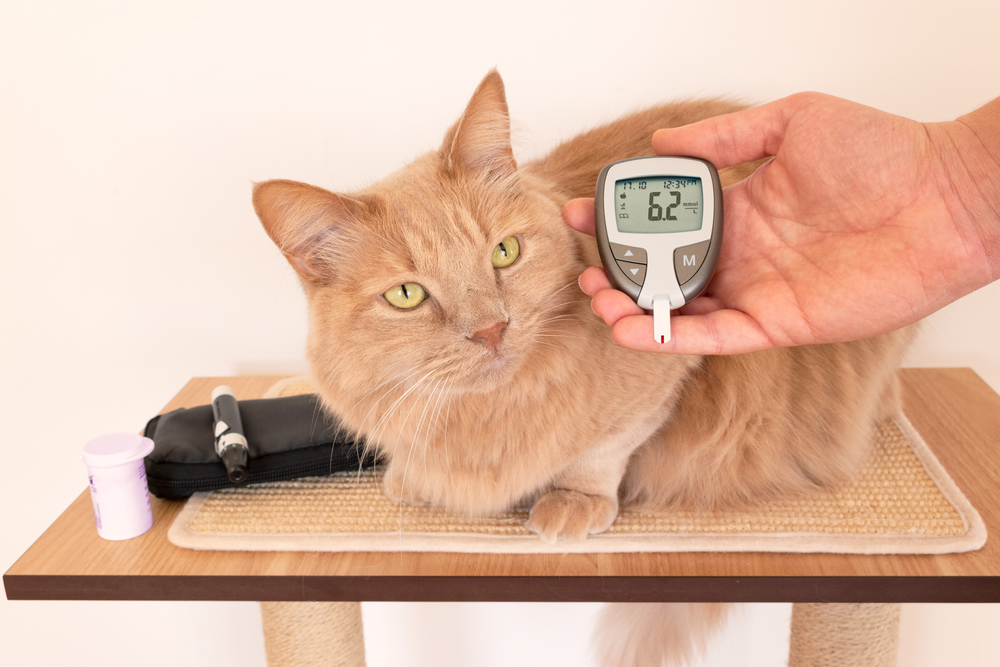
| Check blood sugar at home, or keep up with curves | Diabetic pets drift out of range before they look sick, so real numbers beat eyeballing it. Learn a quick at-home check, or we run glucose curves and in-house testing for you. |
| Keep a fast sugar source within reach | Stash honey or corn syrup where anyone can grab it in seconds, and pack some for a hike or the dog park, since extra exercise makes a low more likely. Rubbing it on the gums buys you minutes. |
| Protect the routine | Diabetes runs on predictability, so aim for the same meals, portions, activity level, and insulin timing every day. The steadier the rhythm, the fewer chances blood sugar has to swing. |
| Stay current on wellness care | A hidden dental or urinary tract infection can destabilize blood sugar before you notice anything. Routine wellness visits with dental cleanings, bloodwork, and urine checks are part of diabetes control. |
The reassuring truth behind long-term diabetes care is that most well-monitored pets go on to live full, comfortable lives when owner and veterinary team work the plan together.
When Should I Call the Vet or Rush In for Emergency Care?
Some symptoms mean stop reading and get in the car, because minutes matter in a diabetic emergency. Emergency signs like seizures, collapse, labored breathing, nonstop vomiting, or sudden weakness after an insulin dose all mean the same thing: this is a call-now situation, not a wait-and-see one.
Here is a quick field guide to sort urgency:
- Call now and come in: seizures, collapse, inability to stand, deep or rapid breathing, repeated vomiting, or profound weakness after an insulin dose.
- Call now and come in: signs of significant dehydration, such as very tacky gums and skin that stays tented, especially with the sweet breath odor of ketones.
- Call the same day: your pet ate poorly, seems more tired than usual, or you are unsure whether a dose went in and want guidance before the next one.
- Log and monitor closely: a single slightly-off day with normal energy and appetite, watching for any of the signs above.
When in doubt, err toward calling. You can reach our emergency line any hour, and giving us a heads-up while you drive lets us prepare so care starts the moment you arrive. Waiting to “see if it passes” is where diabetic emergencies turn dangerous.
What Long-Term Complications Should I Watch For in a Diabetic Pet?
Even a well-managed diabetic pet can develop complications over time, which is exactly why proactive screening stays on the calendar rather than being a one-time thing. Even with good control, diabetes-related complications such as cataracts, recurrent urinary infections, and worsening dental disease can develop, which is why proactive screening earns its place in the plan.
Cataracts from prolonged high blood sugar are the standout in dogs. Many diabetic dogs form cloudy lenses that can impair vision within months of diagnosis, sometimes rapidly, so any change in your dog’s eyes deserves a look. Cats tend to escape the cataract issue but face their own hurdles, including nerve changes that can affect how they walk, called diabetic neuropathy. Across both species, the higher sugar levels of diabetes make it easier for infections to take hold and harder for the body to clear them. Timely screening lets us catch these shifts early, treat what we can, and keep your pet comfortable and their diabetes better controlled in the process.
Why Are Dental and Urinary Problems Such a Big Deal in Diabetic Pets?
Dental disease and urinary tract infections are a big deal in diabetic pets because they do more than cause discomfort: they actively sabotage blood sugar control. These infections take hold more easily when blood sugar runs high, and once one sets in, it can spiral toward the kind of crisis we have been talking about.
Extra sugar in the bloodstream and urine feeds bacteria in the mouth and the bladder. The stress and inflammation an infection causes push blood sugar up and make insulin work less predictably.
A hidden dental infection or a lingering urinary tract infection can quietly destabilize glucose control, and both belong on the list of urgent warning symptoms worth acting on early rather than riding out. Watch for bad breath, dropping food, pawing at the mouth, straining to urinate, frequent small trips to the litter box, or blood in the urine. Regular dental care and prompt treatment of urinary signs are not side quests in diabetes management, they are part of keeping the whole system steady.
Frequently Asked Questions About Diabetic Emergencies in Pets
Can DKA really develop in just a day?
Yes, it can move that fast. A diabetic pet who missed insulin doses or is fighting an infection can slide from mildly off to critically ill within hours as ketones build up. The classic combination of vomiting, refusing food, deep rapid breathing, and a sweet breath odor is a same-hour emergency.
This is not something to watch overnight. When those signs appear together, head in and call us on the way.
My pet perked up after the corn syrup. Do I still need to come in?
Yes. Rubbing a sugar source on the gums can reverse the immediate low and buy precious minutes, but it does not fix why the crash happened. The blood sugar can dip again, sometimes lower, once that quick sugar is used up. A diabetic pet who has had a hypoglycemic episode still needs an exam so we can find the trigger and adjust the plan to prevent the next one.
Is diabetes a death sentence for my dog or cat?
Not at all. Diabetes is a manageable chronic condition, and most pets who receive consistent insulin, steady meals, and regular monitoring live full, comfortable lives. The emergencies happen when the balance slips, which is why home routines and a good relationship with your veterinary team matter so much. Ask us anything, no question about a dose or a worrying sign is too small.
Staying Ahead of a Diabetic Emergency
Most diabetic crises are preventable, and the ones that do happen are far more survivable when you recognize the signs early and act. Keep insulin timing steady, meals consistent, and a simple log going, and post a short emergency checklist somewhere visible so anyone in the house knows what to watch for. That combination of routine and awareness is what keeps ordinary days ordinary.
We are here for the whole journey, from the calm check-ins to the 3 a.m. worries. You can always schedule a visit or reach out with any question, big or small. If you’re worried now, call us and come in for emergency care.