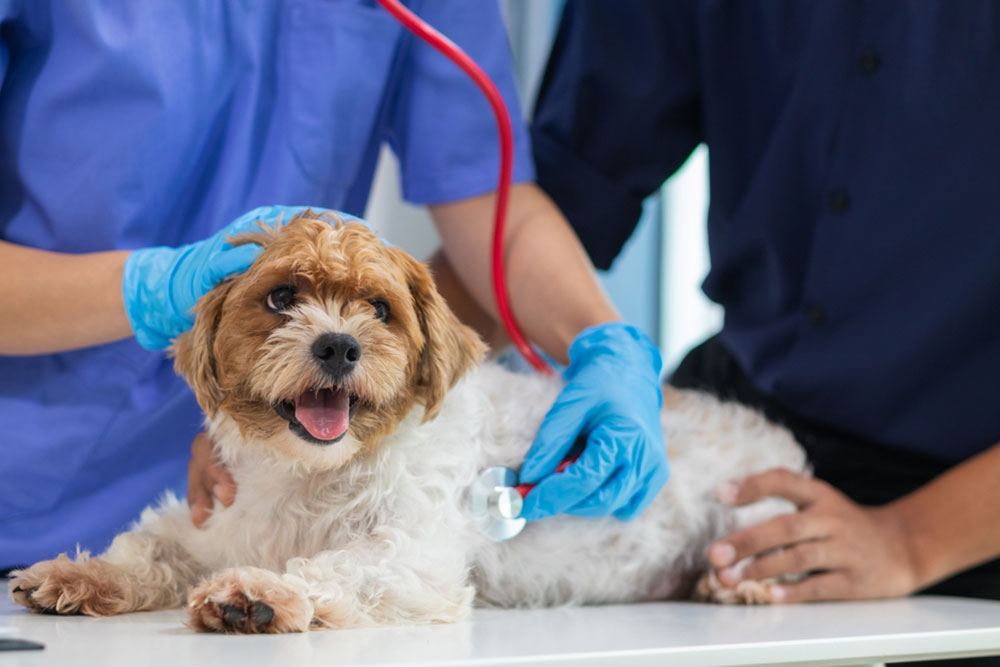
Leaving a cardiac appointment with a list of unfamiliar medications can feel overwhelming, which is part of why understanding what each one does matters. Cardiac medications work together, with each drug addressing a different part of how a struggling heart compensates: a weakened pump, fluid building up in the lungs, or blood vessels working against the heart instead of with it. Pimobendan, furosemide, and enalapril each play a different role, and once you can name what each one is doing, the daily routine makes more sense and you know what to watch for and when to call. Most pets with heart disease respond well to medication and maintain a good quality of life for months or years after diagnosis.
Creature Comforts Veterinary Service in Saylorsburg offers cardiac evaluation as part of our diagnostic services, including x-ray and ultrasound to investigate the severity of heart disease. The specific drug combination depends on the diagnosis, since mitral valve disease in a small dog is managed differently than hypertrophic cardiomyopathy in a cat, and we tailor every monitoring plan accordingly. We are available around the clock, so if you have questions about a new cardiac diagnosis or want to schedule a cardiac workup, reach out to us any time.
Cardiac Medications at a Glance
- Combinations exist for a reason: heart failure involves several problems at once, and no single medication addresses all of them.
- Each drug has a distinct job: pimobendan strengthens contraction, diuretics manage fluid, ACE inhibitors reduce vessel resistance, and beta-blockers control rhythm.
- Resting respiratory rate is the key home metric: it often shifts before other signs of decompensation appear.
- Managed heart disease is livable: most pets do well for months to years, with the plan adjusting as the disease progresses.
What Types of Heart Disease Affect Dogs and Cats?
The specific cardiac diagnosis shapes the entire treatment plan, so naming it matters. Congenital heart disorders can occur in both species, often diagnosed during a puppy or kitten exam, while the acquired conditions vary by species.
Common Heart Conditions in Dogs
- Mitral valve disease is the most common acquired heart disease in dogs, especially small breeds like Cavalier King Charles Spaniels, Dachshunds, and small terriers, where the valve thickens and leaks, the left atrium enlarges, and congestive heart failure eventually develops.
- Dilated cardiomyopathy primarily affects large and giant breeds like Doberman Pinschers, Great Danes, and Boxers, thinning and weakening the heart muscle.
- Arrhythmias in dogs range from incidental findings to life-threatening rhythm disturbances, more common in breeds like Boxers, Dobermans, German Shepherds, and Cocker Spaniels.
- Sick sinus syndrome affects the heart’s natural pacemaker, most often in Miniature Schnauzers and Dachshunds.
Common Heart Conditions in Cats
Cats hide cardiac symptoms until disease is advanced, which makes screening important.
- Hypertrophic cardiomyopathy is the most common heart disease in cats, thickening the heart muscle, restricting filling, and predisposing to clots.
- Restrictive cardiomyopathy stiffens the heart muscle and limits filling.
- Arrhythmias in cats often signal underlying structural disease or diseases like hyperthyroidism.
How Do You Recognize Cardiac Symptoms at Home?
The best way to start watching for cardiac symptoms is to notice shifts in stamina and breathing, and the earliest signs are easy to write off as aging. Catching them early is what gets a pet onto effective treatment sooner.
Early Warning Signs
The earliest heart disease signs are subtle. Reduced exercise tolerance is often the first noticeable shift, with the dog tiring on an easy walk or the cat declining a jump they always made. Other signs:
- Coughing, especially at night or after exertion, more common in dogs
- Mild panting at rest in cats, which is always concerning
- Weight loss
- Restlessness or reluctance to lie down comfortably
- Subtle changes in appetite
Urgent Signs That Need Immediate Care
Same-day signs include:
- Resting respiratory rate consistently above 40 breaths per minute
- Respiratory distress, including labored or open-mouth breathing in cats
- Pale or blue gums, a sign of cyanosis
- Collapse or fainting, known as syncope
- Sudden weakness in a hind leg, a possible clot in cats with HCM
Our 24/7 emergency care line is available for exactly these situations. Call us and head straight in.
Why Does Early Detection Matter?
Early detection matters because heart disease caught and managed before symptoms appear produces better outcomes than disease found only after a crisis. The clearest example is that pimobendan started in dogs with preclinical mitral valve disease, before any heart failure, meaningfully delays its onset- sometimes by years.
Routine wellness visits catch the heart murmurs and subtle exam findings that prompt a workup. Preventive testing in senior pets, including ProBNP testing (a marker in the blood signaling cardiac damage), lets us identify cardiac disease before clinical signs develop.
How Are Cardiac Medications Chosen?
Medications are chosen from diagnostic findings, not just the presence of a murmur, because the right drug depends on what is structurally wrong. The tools that guide prescribing:
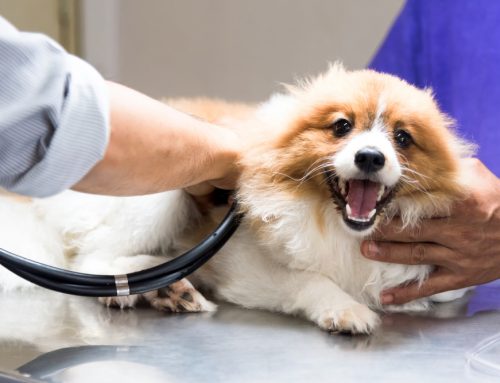
- Auscultation to identify murmurs, gallops, and rhythm abnormalities
- Chest X-rays to assess heart size and check for fluid in the lungs
- Echocardiogram, or cardiac ultrasound, to characterize structure, function, and chamber sizes
- Electrocardiogram to evaluate rhythm
- Holter monitoring, a 24-hour ECG, for intermittent arrhythmias
Our diagnostic ultrasound includes x-ray and cardiac ultrasound that lets us evaluate cardiac function thoroughly during the workup.
Why Do Multiple Medications Work Better Together?
Multiple medications work better because heart failure involves several problems at once: weakened contraction, fluid accumulation, increased vessel resistance, hormonal imbalances, and sometimes rhythm disturbances. Combination therapy addresses these simultaneously, so heart disease medications work synergistically rather than redundantly, and treatment is adjusted at each recheck based on how the pet responds.
What Does Each Cardiac Medication Do?
Each class of cardiac drug targets a different failure point, which is why a pet may take several. The table summarizes the roles, and the sections below go deeper.
| Medication class | What it does | Examples |
| Inodilator | Strengthens contraction and relaxes vessels | Pimobendan |
| Diuretic | Removes excess fluid from the lungs | Furosemide, spironolactone |
| ACE inhibitor | Reduces vessel resistance and fluid retention | Enalapril, benazepril |
| Beta-blocker | Slows rate and stabilizes rhythm | Atenolol, sotalol |
Pimobendan
Pimobendan strengthens the heart’s contraction, making it a positive inotrope, and also relaxes blood vessels, reducing the work the heart must do. It is central to most canine cardiac plans and increasingly used in cats with specific conditions. The pimobendan study, known as the EPIC trial, changed treatment significantly by showing that starting pimobendan in dogs with preclinical mitral valve disease extends the symptom-free period by roughly 15 months on average, which is why your veterinarian may recommend it even when your dog seems clinically fine.
Diuretics: Furosemide and Spironolactone
Furosemide is the workhorse diuretic for cardiac patients, removing the excess fluid that causes the pulmonary edema behind coughing and respiratory difficulty in congestive heart failure. Expect more frequent urination after starting it, and some pets need water-access adjustments to stay hydrated. Spironolactone is often added because it works on different parts of the kidney and reduces cardiac remodeling. Kidney function and electrolytes, especially potassium, need monitoring on diuretic therapy, which is why bloodwork is rechecked periodically.
ACE Inhibitors
ACE inhibitors such as enalapril and benazepril block a hormone pathway that, in heart failure, makes vessels constrict and fluid retention worsen. Blocking it reduces vessel resistance and lowers the workload on a failing heart, and it also helps manage systemic hypertension, which often coexists with cardiac disease, particularly in cats. ACE inhibitors are typically combined with other medications rather than used alone, take weeks to reach full effect, and require bloodwork monitoring.
Beta-Blockers
Beta-blockers such as atenolol and sotalol slow heart rate, reduce contractility, and stabilize rhythm. They are used in specific situations, including certain arrhythmias, hypertrophic cardiomyopathy in cats with outflow tract obstruction, and some congenital conditions. Dosing requires careful titration, because too much suppression of cardiac function can cause problems.
How Do You Monitor Heart Disease at Home?
Home monitoring is where you catch decompensation early, and the single most useful metric is the resting respiratory rate.
Tracking Resting Respiratory Rate
Count the breaths your pet takes in 60 seconds while sleeping or completely at rest, with each rise and fall of the chest as one breath. The resting respiratory rate is the earliest reliable warning sign:
| Resting breaths per minute | What it means |
| Under 30 | Normal range for most cats and dogs |
| 30 to 40 | Worth tracking; mention at the next visit |
| 40 to 60 consistently | Call us, since it often precedes decompensation |
| Over 60 with distress | Same-day emergency |
A trend matters more than a single number, so a resting rate that has climbed from 24 to 36 over a week is significant even within “normal.”
Other At-Home Monitoring Habits
- Weekly weigh-ins to catch sudden gain from fluid retention or loss from cachexia
- Brief daily notes on appetite and energy
- Cough frequency as a marker of disease progression in dogs
Giving Medications Consistently
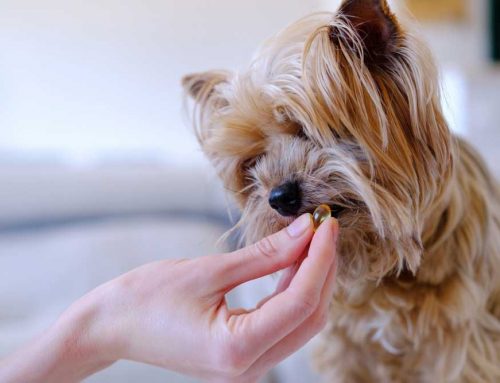
Cardiac medications work because they stay in the bloodstream consistently, so a steady routine matters:
- If you miss a dose, give it as soon as you remember unless it is close to the next one, and never double up.
- For pets who resist pills, ask about compounded or flavored formulations, since many cardiac drugs come as chicken or beef chewables, transdermal gels, or compounded liquids.
- Use a pill organizer to track what has been given, especially when multiple family members help.
How Does Heart Disease Progress Over Time?
Heart disease typically follows a stepwise progression. The early phase often has no clinical signs, with a murmur on exam the only finding, and over months to years the heart compensates for declining function until it can no longer keep up. Congestive heart failure develops when the heart can no longer move blood efficiently, backing fluid into the lungs or abdomen.
Treatment expands as the disease progresses. The same dog may take only pimobendan for a year, then add an ACE inhibitor, then add furosemide when heart failure develops, then have furosemide adjusted upward over months. Each change extends the period of comfortable life, and eventually even maximal therapy stops keeping up, which is the conversation we have honestly when the time comes.
Frequently Asked Questions About Cardiac Medications
Will My Pet Need Cardiac Medications Forever?
Most heart conditions are progressive and not curable, so cardiac medications are typically lifelong once started, with the goal of keeping your pet feeling well and stable as long as possible. Some congenital conditions, like a patent ductus arteriosus corrected surgically, are exceptions.
What if I Miss a Dose?
Give it as soon as you remember, unless it is close to the next scheduled dose, and do not double up. Single missed doses rarely cause problems, but consistent missed doses are a different issue, so if remembering is a struggle, call us about strategies like compounded formulations, simpler schedules, or reminder apps.
Can My Pet Have Side Effects From Cardiac Medications?
They can, like any medication. Diuretics increase urination and can affect kidney function and electrolytes, which is why we monitor with bloodwork, and ACE inhibitors can also affect kidney function. Pimobendan is generally well tolerated. We watch for side effects at every recheck and adjust as needed.
How Often Should We Recheck?
Recheck schedules depend on the disease stage and the medications. Early-stage pets on pimobendan may need rechecks every six months, while pets in active heart failure often need them every one to three months, with bloodwork to monitor kidney function and electrolytes. We set the schedule around your pet’s specific needs.
Cardiac Care as a Long-Term Partnership
Managing heart disease in a pet is a long-term partnership. Home monitoring, especially the resting respiratory rate, and regular veterinary rechecks work together to keep the treatment plan effective. The earlier you catch changes, the more options stay available, and most pets with managed heart disease live well for far longer than a fresh diagnosis suggests.
To schedule a cardiac evaluation, a medication review, or a recheck, reach out to us and we will find a time that works.