
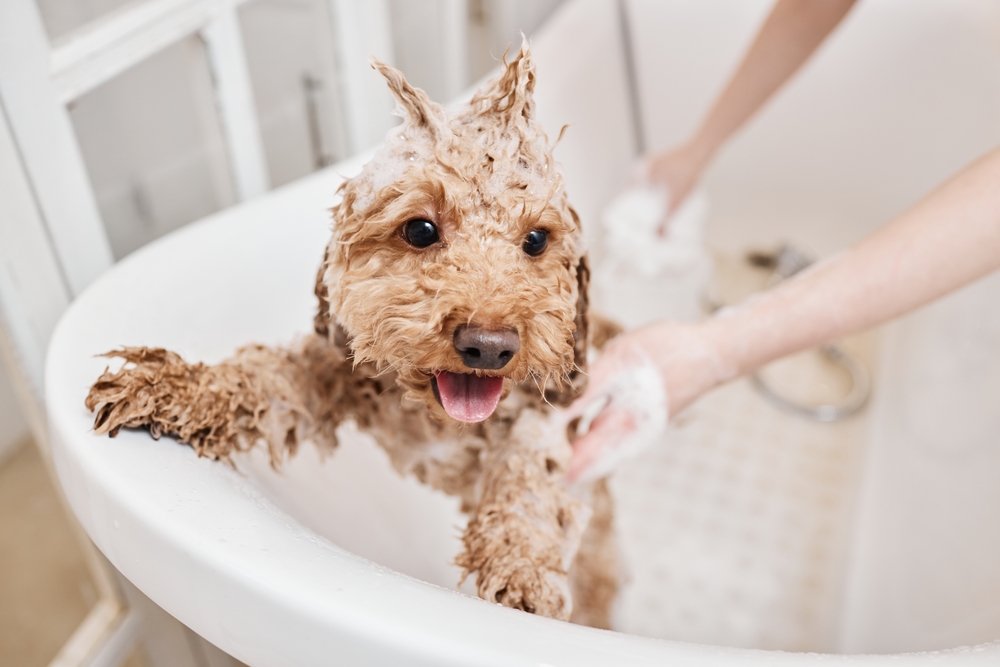
If you have ever stood in the pet store aisle staring at a wall of shampoos, completely unsure which one your itchy dog or cat actually needs, you are far from alone. Choosing a shampoo for a pet with sensitive skin really starts with knowing what is driving the sensitivity, because the right product for a dog with allergies is not the same as the right product for a dog with a yeast overgrowth or dry, flaky skin. And if your pet scratches, chews at their coat, develops recurring hot spots, or always looks a little red and inflamed, what they truly need first is a diagnosis, because soothing the surface without finding the underlying cause will only get you so far.
At Creature Comforts Veterinary Service in Saylorsburg, skin and coat health is something we genuinely love helping families sort out, and it comes up often during wellness and preventive care visits. We look at the whole picture with you, including coat condition, diet, and allergy history, so the grooming routine we land on actually fits your pet and your life. For pets whose diet may be feeding the problem, we also offer nutritional counseling. If your pet’s skin has been a recurring worry, get in touch and we will work through it together.
Sensitive-Skin Grooming at a Glance
- Sensitive skin always has a cause: allergies, parasites, yeast or bacterial overgrowth, hormonal disease, breed tendencies, or contact irritation, and the right product depends on which one.
- Fragrance-free, pH-balanced pet shampoos are a safe starting point, since human shampoos disrupt the skin barrier and sit at the wrong pH for pets.
- Medicated shampoos only deliver if they are used correctly, with at least 10 minutes of contact time, the right frequency, and the right product for the diagnosis.
- Bathing constantly just to keep the itch at bay is usually a sign of a deeper issue that needs a workup, not simply more baths.
What Causes Sensitive Skin in Pets?
Sensitive skin rarely comes down to a single cause, which is exactly why naming the category matters so much. It is the first real step toward a plan that works instead of an endless guessing game.
Common Causes of Skin Sensitivity
The major categories can look almost identical on the surface but are treated very differently:
- Environmental allergens like pollen, grass, mold, and dust mites, which produce allergies that often show up as itchy paws, ear infections, and belly redness.
- Food sensitivities that appear as chronic itching, GI signs, or recurring infections.
- Parasites, particularly flea allergy dermatitis, which causes intense reactions to even a single bite in sensitized pets.
- Underlying medical conditions like hypothyroidism, Cushing’s disease, or autoimmune skin disease.
- Breed predispositions, including the chronic skin sensitivity seen in Bulldogs, Shar-Peis, and Cocker Spaniels.
Because the signs overlap so heavily, with itching, redness, dryness, hot spots, and secondary infections showing up across all of them, “sensitive skin” on its own is really just a description. Getting to the actual cause is what turns it into a plan.
Recognizing Signs Your Pet Needs Specialized Grooming
These are the signs that tell us grooming alone is not going to cut it:
- Persistent scratching, licking, or chewing
- Flaky or greasy skin
- Hair loss in patches or distributed thinning
- Redness or inflammation
- Skin odor, which often signals yeast or bacterial overgrowth
- Recurring ear problems
- Behavioral changes during grooming, like avoidance or snapping when touched
Catching these early and getting a veterinary look saves your pet from the discomfort of chronic, untreated skin disease. Diagnostics are an important first step in sorting out whether your pet truly just has sensitive skin or whether something underneath is making it more reactive. Depending on what we find, we may suggest cytology to check for bacterial and yeast overgrowth, or bloodwork to look for hormonal imbalances.
Why Does Regular Grooming Matter for Sensitive Skin?
Regular grooming earns its place because it quietly does several helpful things at once, well beyond keeping your pet smelling nice.
How Grooming Supports Skin Health
Consistent grooming clears pollen and other allergens out of the coat, spreads those natural skin oils around, and prevents the matting that traps moisture and bacteria against the skin. It also gives you a regular, hands-on chance to notice new lumps, parasites, or skin changes early, when they are easiest to deal with. How often depends on coat type, lifestyle, and your individual pet: a short-haired indoor dog may be fine with a bath every 6 to 8 weeks, an allergic dog mid-flare may need medicated baths twice a week, and most cats handle their own grooming beautifully and should not be bathed unless there is a medical reason.
Special Considerations for Senior Pets
Our older pets often develop thinner skin, lose some of their ability to groom themselves, and deal with arthritis that makes twisting and reaching harder, all of which can leave their skin more sensitive. Senior grooming usually means a few gentle adjustments: shorter sessions, a softer touch, warmer water, padded surfaces, and plenty of patience for a pet who simply cannot hold positions the way they used to.
How Do You Choose the Right Products?
You choose by matching the product to the diagnosis rather than grabbing whatever bottle has the cutest label, and a handful of simple principles narrow the field down fast.
Selecting Gentle Shampoos and Rinses
- Fragrance-free is safer for most sensitive pets, since fragrance is a common irritant.
- pH-balanced for pets, because pet skin pH differs from human skin and human shampoos disrupt the pet’s barrier.
- Hypoallergenic formulas for pets with confirmed allergic skin disease.
- Moisturizing agents like oatmeal, aloe, or ceramides for dry or flaky skin.
- Medicated shampoos for specific conditions like yeast, bacterial infection, seborrhea, or fungal disease, only when veterinary-recommended.
- Thorough rinsing, which matters more than most families realize, since leftover shampoo residue is one of the most common reasons a pet bathed to relieve itch ends up itchier than before.
Veterinary-Recommended Products and Prescriptions
Over-the-counter products can do the job for mild cases, but prescription medicated shampoos become necessary when:
- Bacterial or yeast infection is established
- Seborrhea is causing significant scaling or odor
- Specific antifungal or antimicrobial properties are required
- The pet has a chronic condition requiring ongoing maintenance therapy
Here is the part that trips up a lot of families: medicated shampoos need a full 10 minutes of contact time on the skin to actually work, so a quick 30-second lather and rinse will not get you there. We will walk you through the right technique whenever we prescribe one. We are big fans of the Duoxo Calm product line for its skin-hydrating, itch-relieving ingredients that help calm sensitive skin, and TrizChlor 4 is a great antimicrobial option with chlorhexidine to head off bacterial skin infections.
How Do You Build an At-Home Grooming Plan?
You build it around the diagnosis, because bath frequency and technique shift depending on what you are actually managing at home.
Bath Frequency and Technique
The right rhythm really depends on the situation:
| Situation | Bath frequency |
| Healthy short-haired dog | Every 6 to 8 weeks at most |
| Healthy long-haired dog | Every 4 to 6 weeks, brushing between |
| Dog in allergic flare | Up to twice weekly with medicated products, then taper |
| Bacterial or yeast infection | Twice weekly with medicated shampoo until resolved |
| Most cats | Rarely, unless medically indicated |
Reach for lukewarm water rather than hot, lather thoroughly and do not skip the belly, armpits, and feet, give medicated products their full contact time, rinse until you are sure every trace is gone, and dry well, paying special attention to skin folds and the spaces between toes where trapped moisture invites yeast and bacteria.
Cooperative Care for Pets Who Hate Baths
If bath time at your house involves a wet pet making a break for the hallway, you are in very good company. Cooperative care is about teaching your pet to take part in grooming willingly instead of just enduring it. Treats, short sessions, building good associations with the bathing spot, and slow, patient desensitization make baths dramatically easier over time, while forcing the issue tends to make the next one even harder.
Between Baths: Wipes, Sprays, and Spot Care
For pets who need a little upkeep between full baths, medicated wipes are wonderfully handy for cleaning paws after walks during allergy season, freshening up skin folds, and managing quick bouts of odor. Between-bath sprays and mousses offer gentle topical care without the whole water-and-shampoo production.
Brushing for Different Coat Types
Regular brushing redistributes those skin oils, lifts away loose hair, and keeps mats from forming in the first place:
- Short, smooth coats: weekly with a rubber curry or bristle brush
- Medium-length coats: two to three times weekly with a slicker brush
- Long coats: daily brushing to prevent mats
- Double coats: regular undercoat rake during shedding seasons
Choosing the wrong brush can actually damage the coat or only tidy the top layer while the undercoat stays matted underneath. When in doubt, a professional groomer is a great resource. Ask them which tools they would recommend for your pet’s specific coat type.
How Do You Care for Specific Areas?
Caring for sensitive skin reaches a little beyond the bath, into a few spots that each deserve their own gentle routine.
Nail Trims
Nails that get too long can change how your pet stands, cause real discomfort, and occasionally lead to cracked or torn nails when they catch on something. Trim nails safely by taking just a little at a time so you stay well clear of the quick, the blood vessel that runs inside the nail. This pet-parent guide to nail trims even has step-by-step photos to follow along with. Cutting too short hurts, can produce a genuinely startling amount of blood, and the bad memory tends to stick with your pet, so it helps to keep styptic powder within reach to stop any bleeding quickly. And if nail trims make you nervous, that is completely normal. Schedule one with us and we will take care of it.
Ear Care
Pets with allergies very often struggle with chronic ear problems, and otitis externa is one of the most common reasons allergic dogs land in our office. Routine cleaning with a vet-approved ear cleaner once or twice a week helps head off flare-ups in prone dogs. One important caveat: do not clean ears that are red, painful, smelly, or full of discharge without seeing us first, since cleaning an actively infected ear can make the inflammation worse.
The process of cleaning ears can get a bit messy, so it is worth doing outside or in a bathroom you do not mind wiping down. Cats generally do not need their ears cleaned at all unless they have a medical condition, so feel free to skip it unless we have told you otherwise.
You may also hear some groomers suggest plucking ear hair for dogs prone to ear infections. As a rule, we do not recommend it, since it can stir up more inflammation in the ear canal. Keeping the ear hair trimmed short is usually the gentler choice unless we have given you the all-clear.
Teeth
Dental health is part of whole-pet health, too. Brushing your dog’s teeth daily with a pet-safe enzymatic toothpaste keeps plaque and tartar in check, and please never reach for human toothpaste, since many contain xylitol, which is toxic to dogs. Cats need dental care as well, though they tend to be far less patient with enthusiastic brushing. A finger brush and a slow, build-up-over-time approach usually wins them over.
Eyes
For breeds prone to tear stains, a gentle daily wipe around the eyes with eye wipes, plus keeping the surrounding hair trimmed short, goes a long way toward preventing buildup and skin irritation. Watery or weepy eyes that just will not quit deserve a veterinary look rather than topical care alone. Grooming around a pet’s eyes can be a little nerve-wracking given how delicate the area is, so take your time and move slowly.
When Does Diet Play a Role?
For some pets with ongoing skin trouble, diet is a real piece of the puzzle. Hydrolyzed protein or novel protein diets serve as diagnostic tools for food allergy, but it is worth sticking with the prescription versions, since over-the-counter limited-ingredient diets are prone to cross contamination that can quietly derail a food trial.
Omega fatty acids, like the ones found in fish oil, are a lovely addition to a sensitive-skin plan. Omegas are naturally anti-inflammatory and, used consistently, can improve skin health from the inside out.
Why Is Parasite Prevention Part of Skin Care?
Pets with sensitive skin tend to react more strongly to fleas, simply because their skin is already in a primed, over-sensitized state. In a flea-allergic pet, even a single bite can set off body-wide itching.
Flea allergy dermatitis is one of the most common skin conditions we treat, and year-round parasite prevention is hands down the most reliable way to take fleas off the list of suspects entirely. We carry flea and tick prevention for dogs and for cats through our online pharmacy, and honestly, any pet with skin issues should be on prescription flea prevention even if you have never spotted a single flea. Ask our team what we would recommend for your pet.
What About Sun and Weather?
Summer sun can be surprisingly hard on certain dogs and cats. Pets with light skin and thin coats, like white cats, hairless breeds, and pets with recently shaved areas, really can sunburn. A pet-safe sunscreen on the at-risk spots, like the tops of noses, bellies, and ear tips, is worth using when outdoor time is unavoidable.
Around here, winter brings its own skin problems. Once the furnaces kick on against those Pocono cold snaps, all that dry heat can leave sensitive pets flaky and uncomfortable. Conditioning with oatmeal-based products, staying consistent with omega fatty acids, and running a humidifier can make a real difference.

Frequently Asked Questions About Sensitive-Skin Grooming
Can I Use Baby Shampoo on My Pet?
Not for regular use. Baby shampoo is gentler and closer to pH-neutral than adult human shampoo, but it is still designed for human skin and skips the targeted ingredients that sensitive pets benefit from. In a one-time pinch, when it is truly all you have on hand, it beats nothing, but for ongoing care your pet will be much happier with a product formulated just for them.
How Often Should I Bathe My Dog With Allergies?
It really comes down to the diagnosis and where your dog is in a flare. Some allergic dogs do best with baths twice a week during active flares to wash away surface allergens and treat secondary infections. Once the flare settles, maintenance bathing every one to two weeks with the right shampoo is often part of the long game. We will tailor the plan to your pet rather than handing you a one-size-fits-all schedule.
Is It Bad to Never Bathe My Cat?
For most cats, not at all. Healthy cats are remarkably good at keeping themselves clean. Baths are best saved for cats with skin disease that calls for medicated bathing, senior cats whose grooming has slipped, or cats who have gotten into something they cannot manage on their own. Routinely bathing a healthy cat is actually more likely to create skin problems than prevent them.
My Pet’s Skin Gets Worse After Grooming. Why?
A few things could be going on: shampoo that was not fully rinsed out, a product that does not match the underlying condition, grooming during an active infection that needs medical treatment first, or even an allergy to a grooming product itself. If grooming consistently leaves your pet worse instead of better, stop and give us a call so we can help you figure out which one it is.
Building a Grooming Plan That Fits Your Pet
The best approach always starts with knowing what you are actually managing, because a bathing plan for allergic skin looks nothing like one for seborrhea or for simple healthy maintenance. The diagnosis comes first, and the right products and frequency follow naturally from there. You do not have to puzzle this out alone, and you certainly do not have to keep buying bottle after bottle hoping one finally sticks.
If your pet’s skin has been a recurring worry, or you simply are not sure where to begin, reach out to us and we will build a plan that genuinely fits your pet and your routine.





Leave A Comment