
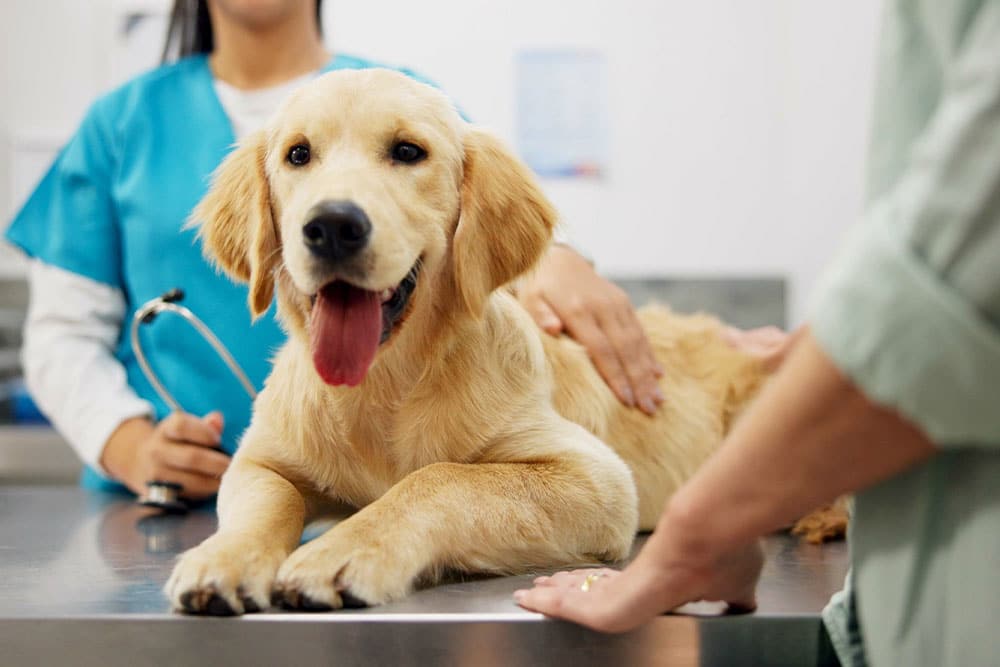
Each letter in DHPP stands for a disease that still infects dogs today: distemper, hepatitis caused by canine adenovirus, parainfluenza, and parvovirus. None of these are relics of another era; parvovirus can survive on floors, soil, and shoes for months, and distemper circulates in the raccoons, foxes, and skunks that pass through Pennsylvania backyards. An unvaccinated dog can meet any of them on an ordinary walk, at a park, or along a fence line, no kennel stay or travel required. Because a puppy’s protection from its mother fades on an unpredictable schedule, the vaccine is given as a series of boosters that closes those gaps before exposure finds them.
We time the DHPP series around each dog’s age, health history, and daily life rather than a one-size schedule, with the personalized care that Creature Comforts Veterinary Service has practiced in Saylorsburg for years. Wellness and preventive visits are where we map out puppy boosters, confirm adult protection, and pair vaccines with parasite screening so nothing preventable slips through. And because our doors are open around the clock, a puppy with vomiting or bloody diarrhea can come straight in at any hour, day or night. If you are not sure where your dog stands on the series, call us and we will pull the records together with you.
DHPP in Four Points
- One DHPP injection builds protection against four separate diseases: distemper, hepatitis from canine adenovirus, parainfluenza, and parvovirus.
- These aren’t historical diseases, since parvovirus survives for months in soil and distemper still circulates through Pennsylvania wildlife, so a current vaccine is real protection rather than a formality.
- Puppies need a series of boosters instead of a single shot because the immunity passed down from their mother fades on an unpredictable timeline.
- Side effects are usually minor and short-lived, and most dogs are back to normal the same day, though we always want to hear about anything that looks off.
Does the DHPP Vaccine Protect My Dog Against Diseases That Are Actually Out There?
The DHPP vaccine guards against four diseases that are still active right now, not relics from a bygone era. Parvovirus can persist in soil for months, distemper travels with the raccoons and foxes moving through local yards, and both hepatitis and parainfluenza pass dog to dog wherever paths cross.
A puppy can meet any of the four on a neighborhood sidewalk or along a fence line, which is exactly why current protection matters even for a dog who mostly stays home. Our schedules follow current national vaccine guidelines, and if you’re unsure where your dog stands, we’re glad to sort it out with you.
Which Diseases Does the DHPP Vaccine Actually Cover?
Vaccinations are the single most efficient tool in preventive medicine, and a combination shot like DHPP folds protection against four very different diseases into one injection. You may also see this vaccine called DAPP, or DA2PP.
| Disease | What it targets | How serious |
| Distemper (D) | Respiratory tract, gut, and nervous system | Often fatal; survivors may keep permanent neurologic damage |
| Hepatitis (H), from canine adenovirus | Liver, kidneys, and blood vessels | Ranges from mild illness to rapidly fatal |
| Parainfluenza (P) | Upper respiratory tract | Usually mild to moderate, worse in group settings |
| Parvovirus (P) | Intestinal lining and bone marrow | Severe, often fatal in unvaccinated puppies |
Canine Distemper
Canine distemper is a highly contagious virus that moves through the respiratory tract and gut before reaching the nervous system, and there’s no cure once a dog is infected, only supportive care. It spreads through the air and shared bowls, and dogs can pick it up from infected wildlife, not just other dogs. The illness tends to climb in stages:
- Early: Fever, watery eyes, nasal discharge, and low energy that can look like a passing cold.
- Middle: Coughing, vomiting, and diarrhea as the virus settles into the digestive tract.
- Late: Muscle twitches, seizures, and balance trouble once it reaches the brain and spinal cord.
Dogs who survive are often left with lifelong tremors, and outbreaks still move fastest through unvaccinated and under-vaccinated populations.
Infectious Canine Hepatitis
Infectious canine hepatitis comes from canine adenovirus type 1 and targets the liver, kidneys, and the lining of the blood vessels. The virus sheds in urine, feces, and saliva, and it can linger in the environment and on recovered dogs for weeks. The vaccine uses a closely related adenovirus, CAV-2, to cross-protect against both the liver and respiratory forms, heading off sudden acute crashes and slower chronic damage alike.
Canine Parvovirus
Canine parvovirus is one of the most contagious and serious diseases a dog can face, striking the fast-dividing cells of the intestinal lining and bone marrow and hitting unvaccinated puppies hardest. The clinical picture comes on fast:
- Relentless vomiting and profuse, often bloody diarrhea
- A sudden refusal to eat or drink
- Deep lethargy and a painful, tucked-up belly
- Dehydration that worsens by the hour
Puppies who catch it need emergency care: IV fluids, anti-nausea medication, and close monitoring to keep them stable while their body fights the virus off. Studies on Pennsylvania wildlife showed that 45% of coyotes and up to 68% of foxes had antibodies to parvo, meaning they had exposure and could spread the disease; if your dog spends any time where wildlife roam, that’s real risk of potential exposure.
Canine Parainfluenza
Parainfluenza is one of the leading contributors to kennel cough, the hacking respiratory syndrome that spreads quickly anywhere dogs are grouped together. On its own, parainfluenza usually brings mild to moderate signs, but the illness turns more serious when it stacks with the other pathogens circulating in a boarding kennel or daycare. The DHPP shot doesn’t make a dog bulletproof, and a vaccinated dog can still pick up a milder cough, but the vaccine blunts how sick they get and how much virus they pass along. That overlap is also why most boarding facilities ask for DHPP plus a separate Bordetella vaccine before a stay.
When Should My Dog Get DHPP Shots?
DHPP timing is built around a puppy’s developing immune system and around holding onto adult immunity later.
- Puppy series: A sequence of boosters given a few weeks apart while your puppy is young, spaced to keep pace as maternal antibodies fade, typically around 8, 12, and 16 weeks of age.
- The one-year booster: A follow-up around the first birthday that locks in longer-lasting adult protection.
- Adult boosters: Repeat doses at regular intervals afterward, usually every one to three years.
Three things move the timeline: the maternal antibodies a puppy is born with, how strongly an individual dog responds, and how much real-world risk their routine carries. A dog who hikes the Saylorsburg trails on weekends and boards over the holidays lives a different exposure life than a homebody. That’s why we build customizable vaccination schedules instead of running every dog through one fixed plan.
Is the DHPP Vaccine Safe for Dogs?
DHPP is one of the most thoroughly tested and well-tolerated vaccines in veterinary medicine, and most dogs walk away with no side effects at all. The mild reactions that do appear ease within a day or two, while serious reactions are rare but worth learning to recognize.
| Usually mild and expected | Rare, call us right away |
| Mild soreness at the injection site | Facial or muzzle swelling, or hives |
| A day of lower energy or a slight fever | Repeated vomiting or diarrhea |
| Reduced appetite for a meal or two | Difficulty breathing or collapse |
| A small, temporary lump where the shot went in | Pale gums or sudden weakness |
Keep an eye on your dog through the first several hours after a visit, since true allergic reactions tend to show up quickly. A severe reaction is a genuine emergency, and because our doors stay open at all hours, 24/7 emergency care is available the moment something looks wrong. If your dog has reacted to a vaccine before, tell us ahead of time so we can premedicate or adjust the approach. Not sure whether what you’re seeing counts? Call us and we’ll help you decide.
What Else Protects a Dog Besides the Vaccine?
Vaccination does the heavy lifting, but it works best paired with good timing and clean habits while immunity is still building.
- Socialize on a schedule: Introduce your puppy to new people, sounds, and healthy vaccinated dogs early, while holding off on dog parks and communal spaces until the series wraps.
- Skip the high-risk spots at first: Pet store floors, dog parks, rest stops, and busy trailheads are worth avoiding until protection is complete.
- Clean the right way: Bleach is one of the few disinfectants that reliably kills parvovirus.
Pairing the series with routine wellness exams also means we catch early signs of illness before they grow into something bigger, which is protection of a different kind.
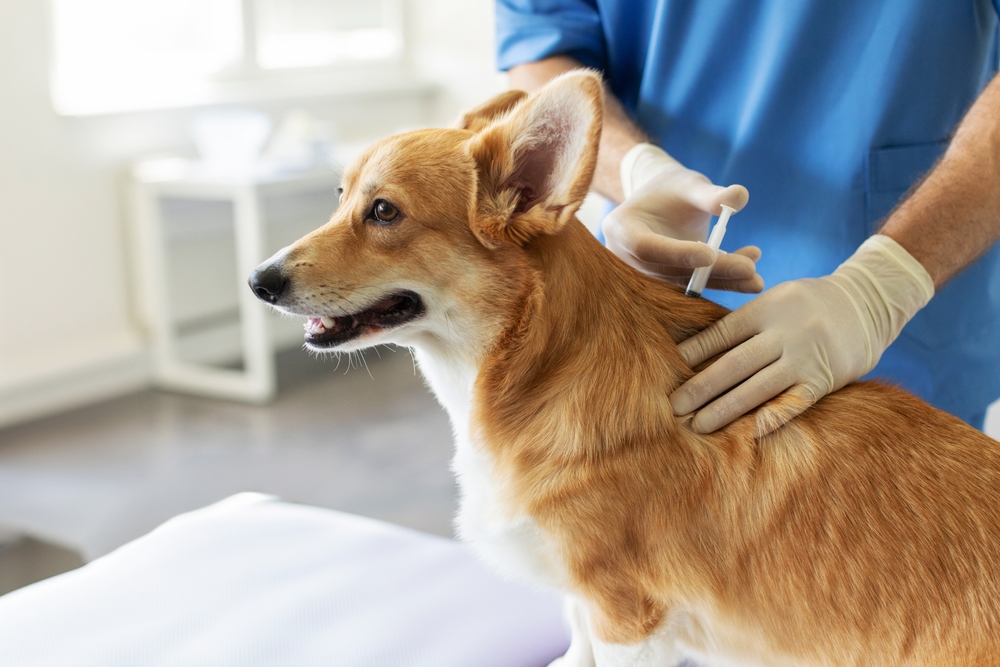
Frequently Asked Questions About the DHPP Vaccine
Can a Sick Puppy Still Get a DHPP Shot?
Whether a sick puppy can be vaccinated depends on how sick they are. Something minor like mild diarrhea often isn’t a reason to wait, but a puppy running a fever or fighting a real infection usually does better once they’ve recovered, since the immune system needs to be working well to respond properly. We examine your puppy first and make the call together, because skipping a needed booster carries its own risk of leaving them exposed.
If My Dog Missed an Adult Booster, Do We Start Over?
Missing an adult booster rarely means starting from scratch. For an adult dog with a solid vaccine history, we can usually pick up where the schedule left off with a single catch-up dose instead of repeating the whole puppy series. Puppies still mid-series are a different story, since a long gap there can call for an extra booster to be safe. Bring whatever records you have and we’ll map the shortest path back to full protection.
Are Titers an Alternative to Boosters?
Titers are blood tests that measure the antibodies already in your dog’s system, and for the core parts of DHPP like distemper and parvovirus, they can sometimes confirm that protection is still holding. They’re a reasonable option for a dog who has reacted to vaccines before. They aren’t a perfect stand-in, though, since antibody numbers don’t tell the whole immune story and some dogs still need a booster. We can talk through whether titering fits your dog.
Why Does My Puppy Need So Many Shots?
Puppies need several shots because of the antibodies they borrow from their mother. Those maternal antibodies protect a newborn but also block a vaccine from taking hold, and they fade on a timeline no one can predict from the outside. A single early shot might land during that blocked window and accomplish nothing. Spacing boosters a few weeks apart makes sure that as the borrowed protection fades, the vaccine is right there to take over.
Keeping Your Dog Protected Through Every Life Stage
The four diseases behind those letters haven’t gone anywhere, and the reason most dogs never meet them is exactly this: a puppy series that builds the foundation, adult boosters that keep it standing, and a team ready to adjust the plan as your dog’s life changes. Staying current isn’t busywork; it’s the quiet reason a frightening diagnosis stays off the table for most dogs.
If you have a new puppy, questions about adult booster timing, or a vaccine history you’re not sure about, reach out and the team at Creature Comforts Veterinary Service in Saylorsburg will take it from there.



Leave A Comment