

A pet who suddenly tilts their head, paces in circles, or staggers like the floor is moving usually has a problem in the vestibular system, the connection between the inner ear and brain that keeps the body upright. Many families assume an older dog who wakes up this way has had a stroke and that nothing can be done, but idiopathic vestibular disease, a common culprit in senior dogs, often improves dramatically within days. Cats can show identical signs from middle and inner ear infections, certain toxins, and, less often, growths pressing on the balance centers. Because an ear infection, a toxin, a tumor, and a true stroke each call for a completely different response, the cause needs to be narrowed down before treatment can start.
A balance crisis rarely picks a convenient hour, which is why Creature Comforts Veterinary Service keeps 24/7 emergency care in Saylorsburg staffed, with a team ready to run a full neurological exam whenever the signs start. Our in-house lab and X-rays let us check for the metabolic problems and middle-ear disease that can throw a pet’s balance off, so a frightening night can end with a clear plan instead of guesswork. If your dog or cat is tilting, circling, or struggling to stand, call us on your way over so we can prepare for your arrival.
Start Here: The Balance Basics
- A sudden head tilt, circling, or loss of balance points to the vestibular system, and the cause can be anything from a simple ear infection to a stroke.
- Idiopathic vestibular disease in older dogs looks frightening but often improves on its own within a few days, while causes rooted in the brain need faster, more intensive care.
- Ear infections, thyroid and liver disease, toxins, medications, trauma, and foreign bodies like foxtails can all produce the same tilt, so the workup matters more than the symptom.
- Any pet who suddenly cannot stand, keeps falling, or has darting eyes needs a same-day exam, day or night.
What Is the Vestibular System, and Why Does It Cause Such Dramatic Symptoms?
The vestibular system is your pet’s built-in balance sensor, a network linking the inner ear to the brain that constantly tells the body which way is up. When it misfires, those signals scramble, so a dog or cat suddenly tilts their head, staggers, falls toward one side, and their eyes flick rapidly back and forth (nystagmus).
Where the trouble sits shapes everything that follows. A problem in the inner ear (peripheral disease) usually carries a better outlook, while trouble in the brainstem or cerebellum (central disease) tends to be more serious. One detail helps you read the situation at home: most pets stay bright and alert through a vestibular episode, so a dog or cat who also seems dull, weak, or barely responsive is signaling something deeper.
Vestibular disease in dogs most often shows up as a sudden episode in older pets that improves markedly within about 72 hours, sometimes before test results even return. Cats get it too. Vestibular disease in cats is less common than in dogs, but it produces the same abrupt head tilt, stumbling, and darting eye movements when it strikes.
A hands-on neurological exam is our starting point, and our in-house diagnostics fill in what the exam alone cannot, helping tell an inner ear problem apart from something rooted in the brain.
Could an Ear Infection Be Making My Dog or Cat Tilt Their Head?
An ear infection is one of the most fixable reasons a dog or cat tilts their head, which is why we check the ears early. The telltale signs tend to cluster: pain when chewing or yawning, head shaking, scratching at the ear, discharge, a drooping face on one side, and circling toward the affected ear.
Not every ear infection throws off balance, though. Middle and inner ear infections sit close enough to the balance apparatus to disrupt it directly, which is why they can trigger head tilt and circling while a simple outer-ear infection usually does not.
Some pets are wired for repeat ear trouble. Allergies inflame the canal from the inside, floppy-eared and narrow-canal breeds trap moisture, and polyps or other growths can block healthy drainage, especially in cats. Confirming what is happening means looking down the canal with an otoscope, checking a sample of the discharge under the microscope, and adding imaging when the problem may sit deep. Most ears clear with a few weeks of medication and a recheck to be sure they have truly healed, though stubborn or complicated cases sometimes need a deep flush or minor surgery.
When Does a Head Tilt Mean Something Is Wrong in the Brain?
Most head tilts start in the ear, but a smaller share begin in the brain itself, and those cases usually look different from a simple inner ear problem. Two brain-based causes matter most here: a tumor and a stroke. Both can produce a tilt, and both call for a faster, more thorough response.
Brain Tumors and Central Nervous System Disease
Brain tumors that press on the brainstem or cerebellum tend to add seizures, behavior changes, or one-sided weakness to the head tilt, the extra signs that separate central disease from an inner ear problem. They turn up most in older dogs and cats, though no age is fully exempt. Seeing one clearly takes advanced imaging, so we coordinate an MRI or CT scan through a referral center. Treatment then depends on the tumor’s type and location and may mean surgery, radiation, or medication, and when the kindest path is keeping your pet comfortable, integrative therapies help ease that road.
Strokes and Other Vascular Events
Strokes happen when blood flow to part of the brain is cut off or a vessel bleeds, and they can drop a pet into sudden head tilt, weakness, and abnormal eye movements within minutes. Underlying conditions like kidney disease, high blood pressure, or a clotting disorder raise the odds, which is why routine bloodwork that catches those problems early is one of the strongest defenses. To sort out a stroke we lean on lab tests, a blood pressure check, and imaging, and because recovery varies so widely, our care centers on keeping your pet stable and nourished while we treat whatever set it in motion.
Can Internal Illnesses Like Thyroid or Liver Disease Throw Off Balance?
Balance problems do not always start in the ear or brain. Sometimes the whole body is the culprit, because organs that dysfunction can disturb how nerves fire and how the brain works. Thyroid and liver disease are the two internal conditions most likely to surface as wobbliness, circling, or a subtle head tilt.
How Hypothyroidism Affects the Nerves
Hypothyroidism can quietly contribute to nerve dysfunction and recurring ear problems that tip a pet off balance, and a blood test is what confirms it. It shows up most in middle-aged dogs, often alongside weight gain, low energy, and a dull coat. The encouraging part: a daily thyroid medication usually turns things around within a few weeks, with periodic bloodwork to keep the dose right.
When the Liver Is Behind the Confusion
Liver dysfunction can scramble the nervous system too. When the liver cannot filter the blood properly, toxins slip through to the brain and set off a syndrome called hepatic encephalopathy. In younger pets, the usual cause is a plumbing defect: portosystemic shunts are abnormal vessels that let blood skip the liver’s filtration, allowing toxins to accumulate and trigger circling, disorientation, and head pressing. Acute liver disease can bring on the same signs suddenly. We reach a diagnosis with bloodwork, a bile acids test, and imaging, and catching liver trouble early through wellness screening can steer a case toward simple medical management. From there, treatment ranges from a tailored diet and medication to surgery when a shunt needs correcting.
What About Brain Infections, Diet, and Medications?
Three less obvious causes round out the list: inflammation inside the skull, a missing nutrient, and, occasionally, a medication itself. Each can produce vestibular signs with no ear or tumor involvement at all, and each has a very different fix, so they are worth knowing before you assume the worst about a wobbly pet.
Meningitis and Encephalitis
Meningitis and encephalitis inflame the brain and its surrounding membranes, layering fever, neck pain, and seizures on top of the balance loss. Some cases trace to an infection, others to an immune system that has turned on the brain itself. Pinning down which one takes advanced testing, and treatment follows the cause: antimicrobials for an infection, or anti-inflammatory and immunosuppressive medication when the immune system is the problem.
Thiamine Deficiency and Diet
Thiamine deficiency can bring on acute vestibular signs, seizures, and altered mentation, and it shows up most in pets fed diets heavy in raw fish or those losing nutrients to chronic vomiting. Thiamine is vitamin B1, and the brain runs short on it fast. Caught early, the turnaround with supplementation can be striking, which is one more reason a complete, balanced diet matters so much.
Medication Toxicity
Certain drugs can nudge the balance system too. Metronidazole toxicity is a well-known example, causing sudden vestibular signs, disorientation, and weakness at high doses or with prolonged use that typically fade once the medication is stopped. Stick to the prescribed dose, and call us right away if a pet on any long-term medication starts stumbling or acting off.
Can an Injury or a Foxtail in the Ear Cause Balance Problems?
A physical cause can be just as disruptive as a medical one. A hard knock to the head can jar the balance system directly, and something as small as a plant seed lodged in the ear can set a pet spinning. Both tend to come on suddenly, and both need an urgent look.
Head trauma from a car, a fall, or a hard blow can shake the balance system along with causing skull fractures, brain swelling, or bleeding that need urgent stabilization. This is a true emergency, and our around-the-clock emergency care means we can steady blood pressure, manage swelling, provide oxygen, and watch closely for any slide in the hours that follow. How well a pet bounces back depends on how severe the injury was.
Foxtails and similar barbed plant awns can lodge deep in the ear canal, working their way inward over days and setting off head shaking, pawing at the ear, and a sudden head tilt. Because the barbs only travel one direction, prompt removal matters, and we can sedate your pet to reach the awn, clear the canal, and start medication. A quick ear check after walks through tall grass goes a long way, especially in late summer when barbed weeds peak around the Poconos.
How Do Veterinarians Figure Out What Is Causing the Head Tilt?
Finding the cause is detective work, and it starts with your story: when the signs began, how fast they progressed, any recent illness, possible toxins, and every medication your pet takes. That history, paired with a full physical and neurological exam, narrows a long list of possibilities down to a short one before a single test runs.
On the table, we check the cranial nerves, watch the gait, and test how your pet places their paws, because the pattern points us toward the ear or the brain.
| Exam clue | Points peripheral (ear) | Points central (brain) |
|---|---|---|
| Mental state | Bright and alert | Dull or disoriented |
| Strength | Normal | Weak on one side |
| Paw placement | Normal | Slow or clumsy |
| Direction of fall | Consistently one side | Variable |
What Does Treatment Look Like Once We Know the Cause?
Treatment aims straight at the cause while easing the symptoms along the way. Because a head tilt can spring from a dozen different problems, there is no single protocol; we map out the best plan for your pet based on the diagnosis and a conversation with you about what recovery will realistically take.
| Cause | Typical direction |
|---|---|
| Idiopathic vestibular disease | Supportive care and anti-nausea medication while it resolves on its own |
| Middle or inner ear infection | Several weeks of antimicrobials, anti-inflammatories, and rechecks |
| Hypothyroidism | A daily thyroid medication with periodic monitoring |
| Liver disease or a shunt | Diet and medication, or surgery to correct the shunt |
| Brain infection or inflammation | Antimicrobials or immunosuppressive therapy |
| Stroke or brain tumor | An individualized plan, often with referral for advanced care |
| Ear polyp or foreign body | Removal, sometimes surgically |
How Can I Help My Dog or Cat Recover Safely at Home?
Home recovery comes down to three things: keeping your pet from falling, keeping them eating and drinking, and watching the trend closely. A pet whose world is spinning misjudges every step, so the house needs a few small tweaks to stay safe, and you become our eyes between visits.
A handful of adjustments make a real difference:
- Pad the danger zones: Block off stairs and sharp furniture edges, and set up a cozy, walled-in space so a stumble lands soft.
- Lower the reach: Offer food and water in shallow dishes at chest height so your pet does not have to bend or twist much to eat and drink.
- Lend support: A towel sling under the belly or a well-fitted harness helps a larger dog stay upright on the way to potty breaks.
- Keep a log: Jot down the head tilt, appetite, and steadiness each day so we can read the trend at a glance.
Call us if the signs get worse, new ones appear, or your pet will not eat or drink. Recovery timelines depend entirely on the cause, from a few days for the idiopathic kind to weeks or longer for something more involved, so those day-to-day notes are genuinely useful.
Frequently Asked Questions About Head Tilt and Balance Problems in Pets
Is my dog’s sudden head tilt a stroke?
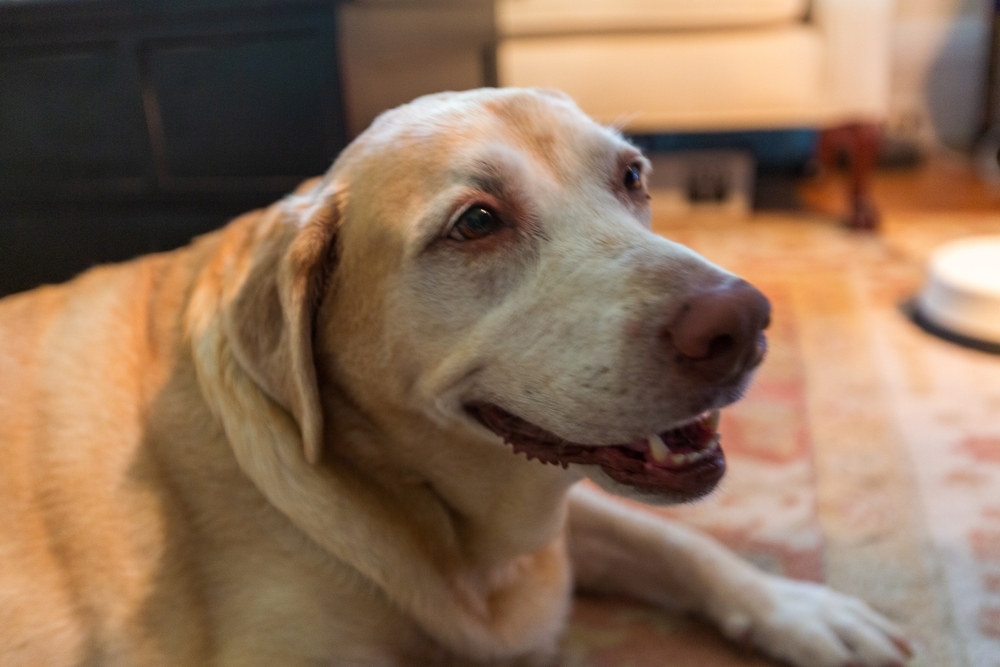
Probably not, at least not the way people picture it. In dogs, a sudden head tilt with wobbling is far more often idiopathic vestibular disease, which looks alarming but tends to improve within a few days. True strokes do happen, especially in pets with kidney disease or high blood pressure, but they are less common. Because the two can look similar at first and are treated differently, a same-day exam is the only reliable way to tell them apart.
Will my pet’s head tilt go away on its own?
Sometimes. If the cause is idiopathic vestibular disease, many pets improve dramatically within 72 hours and steady out over a couple of weeks, though a slight residual tilt can linger for life without bothering them at all. Other causes, like an ear infection, a toxin, or a tumor, will not resolve without treatment and can worsen if ignored. Since you cannot tell which situation you are facing from the outside, it is safest to have any new tilt checked.
Should I bring my cat in for a head tilt, or wait it out?
Do not wait. A head tilt in cats is less common than in dogs and more likely to point to a middle-ear infection, a polyp, or a toxin that needs attention. Cats also hide illness well, so a visible tilt often means they have felt off for a while. Getting seen promptly lets us find a treatable cause before it progresses, and it spares your cat days of nausea and disorientation. When in doubt, call us and we will help you decide.
Steady Footing Starts With a Fast Answer
Balance problems run the full range, from a scare that fades in a few days to a sign of something that needs real intervention, and there is rarely a way to know which from the couch. That is exactly why an early look matters so much. We pair a careful neurological workup with the steady, compassionate hands a dizzy, frightened pet needs, so you leave with a clear cause and a plan instead of a knot in your stomach. If your dog or cat in Saylorsburg suddenly tilts their head, circles, or cannot keep their feet underneath them, come into Creature Comforts Veterinary Service for emergency care right away or schedule an evaluation so we can get to the bottom of it together.



Leave A Comment