
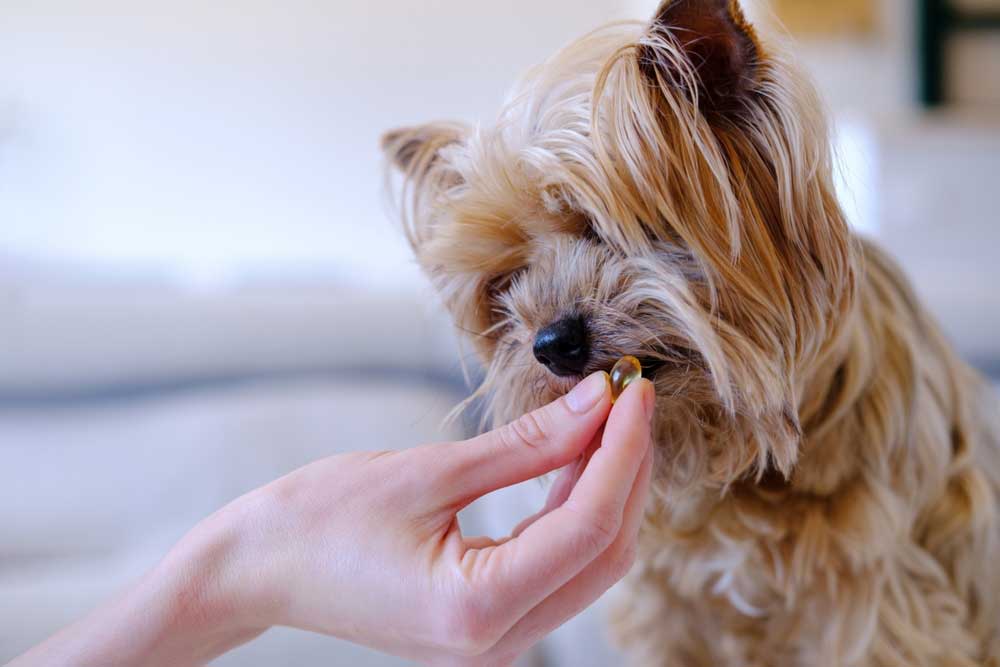
A joint supplement only works if it contains the right ingredients at a dose large enough to matter, and plenty of products fall short on one or both. Omega-3 fatty acids and green-lipped mussel have the strongest research behind them for calming inflammation inside the joint, while glucosamine, chondroitin, and collagen supply raw material for cartilage and the fluid that cushions it. Supplements are also not regulated the way prescription medications are, so two bottles listing the same ingredient can deliver very different amounts and qualities. That matters because arthritis, hip and elbow dysplasia, and old cruciate injuries can progress quietly, and a product that isn’t actually effective leaves your pet sore while the damage continues to add up.
Creature Comforts Veterinary Service in Saylorsburg can tell you whether a supplement is worth giving and what else belongs in the plan. Our nutritional counseling covers diet and supplement choices together, and we stock traditional and herbal formulas in house so the decision fits your pet. When your pet is already stiff or slow to rise, a hands-on orthopedic exam and digital X-rays show us the arthritis changes inside the joint, and we can pair nutrition with cold laser therapy, acupuncture, or chiropractic care. If your pet is sore, slow to get up, or already on a supplement you are not sure is helping, reach out to us and we will take a look.
Before You Buy Another Jar of Chews
- Omega-3 fatty acids and green-lipped mussel have the best evidence for calming inflammation inside an arthritic joint, while glucosamine, chondroitin, and collagen supply the material cartilage is built from.
- Dose matters more than the ingredient list, so the number to read on a fish oil label is the milligrams of EPA and DHA per serving, not the size of the softgel.
- These products work slowly, and most pets need a couple of months of daily dosing before anyone can judge whether a jar is helping.
- Nutrition does its best work stacked with weight control, sensible exercise, and treatments like cold laser therapy or acupuncture, not standing in for them.
What’s Going Wrong Inside a Stiff, Achy Joint?
A healthy joint runs on two things: smooth cartilage capping the ends of the bones, and slippery synovial fluid that keeps those surfaces gliding past each other. Arthritis wears the cartilage thin, waters down the fluid, and inflames the lining, so every step grinds a little more than it should. Cartilage has no blood supply of its own, so joint supplements for orthopedic conditions work by supplying raw materials and calming inflammation rather than rebuilding tissue the way a healing wound does. That’s the honest ceiling on what a jar of chews can do, and it’s why protecting what’s still there is far easier than replacing what’s gone.
Joints arrive at that point by different roads. Hip and elbow dysplasia set up abnormal wear in large-breed dogs long before their first birthday. A torn cruciate ligament destabilizes the knee, and arthritis follows within months. Cats degenerate quietly in the hips, elbows, and spine, often with no limp at all, just a cat who’s stopped landing on the kitchen counter. Genetics, extra body weight, high-impact activity, and old injuries all stack the deck.
Sudden lameness where your pet won’t put weight on the leg is a different problem from slow morning stiffness. A dog who yelps and holds up a back leg after a hard turn in the yard may have blown a cruciate, and that needs hands-on evaluation, not a new bottle. We provide emergency care around the clock, and calling ahead lets us get set up before you pull in. Not every stiff dog has arthritis, either: tick-borne infections are common in our corner of the Poconos, and Lyme disease can show up as shifting lameness and sore joints in a dog who seemed fine last week. For anything slower than an emergency, an orthopedic exam and X-rays tell us which joints are involved and how far the changes have gone, which is what turns “he’s just getting old” into a plan.
What Do Glucosamine and Chondroitin Actually Do?
These two are the oldest pairing in joint nutrition, and they hold their spot by protecting cartilage from opposite directions. The body uses glucosamine as a raw material for cartilage and joint fluid, and most pets need six to eight weeks of consistent daily dosing before any change in comfort shows up. It may also nudge the cells that maintain cartilage to keep producing their protective compounds, which slows the rate of breakdown. You’ll see it sold as glucosamine hydrochloride or glucosamine sulfate, and what counts more than the form is whether the label prints a real milligram amount and whether your pet eats the thing every day.
Chondroitin sulfate helps cartilage hold onto water so it can keep absorbing shock, and it appears to blunt some of the enzymes that chew through joint tissue during a flare. That’s why combined glucosamine and chondroitin formulas fill so much of the shelf. Quality swings more here than almost anywhere else in the category, because chondroitin is an expensive raw material and an easy one to under-deliver. If you’re staring at a wall of bottles that all look the same, bring the label to your next visit and we’ll tell you whether the numbers on it are real.
Do Omega-3s Really Help a Sore Pet Move Better?
Marine omega-3s are the closest thing to a sure bet in this whole category. The EPA and DHA in fish oil interrupt the inflammatory cascade inside an arthritic joint, and after several weeks at an adequate dose some dogs move more freely and lean on pain medication less. Source drives most of the difference. Flaxseed and other plant oils deliver ALA, which dogs and cats convert to EPA and DHA poorly, so plant-based products rarely reach an anti-inflammatory level. Cold-water marine oil skips that conversion step entirely. Dosing is where families get tripped up: the useful number is the combined EPA and DHA per capsule or pump, not the total oil volume splashed across the front of the box. A 1,000 mg softgel might hold 300 mg of the two together, or it might hold 120\. Cats do well on marine oil too, and many of them take a squirt of liquid over dinner far more willingly than a capsule.
Fish oil can go rancid on the shelf and can carry heavy metals from the fish it came from, so assessing supplement quality here means third-party purity testing, a printed EPA and DHA amount per dose, and an intact freshness date. A bottle that hits you with a sharp smell on opening has already turned, and oxidized oil does the opposite of what you bought it for. Keep liquids in the fridge, and build up to the target amount over a week or two so nobody gets loose stool. Bring the bottle to your pet’s next wellness exam and we’ll do the math for their weight and diet.
Is Green-Lipped Mussel Worth Adding?
For most arthritic pets, yes. Green-lipped mussel supplies omega-3 fatty acids, glycosaminoglycans, minerals, and anti-inflammatory compounds in a single whole food, and arthritic pets given it consistently tend to move more easily within several weeks. Some of that benefit lands on fluid quality rather than inflammation, since glycosaminoglycans are the same family of molecules that make synovial fluid thick and slippery. Trials in arthritic dogs have measured better weight-bearing and less pain on manipulation after a month or two of daily feeding.
Dosing runs by body weight, so a 12-pound cat and an 80-pound retriever need very different scoops of the same powder. Products come as powders to sprinkle, soft chews, or capsules, and powder usually wins with cats, who spot a new chew instantly and refuse it outright. It’s well tolerated and sits comfortably alongside glucosamine, marine oil, and prescription pain medication. Any pet already on daily medication deserves baseline bloodwork before we stack something new, since kidney and liver values shape what’s safe for the long haul.
What Does Collagen Do for Joints?
Collagen is the scaffolding a joint is hung on, and cartilage, tendons, and ligaments are built largely of it. Collagen supplementation in hydrolyzed or undenatured type II form aims at slowing the structural breakdown that arrives with age, since natural production tapers as pets get older. The two forms behave differently. Hydrolyzed collagen is broken into small peptides for easier absorption, feeding the body’s repair machinery usable pieces. Undenatured type II, sold as UC-II, is given in tiny amounts and appears to work through the immune system instead, quieting the response that drives cartilage destruction. Both often come with a side benefit: skin and coat tend to look better a couple of months in.
Source, form, and dose matter far more than the picture on the package, and choosing dietary supplements for a pet comes down to veterinary-grade manufacturing, species-appropriate dosing, and a formula the pet will eat every single day. Marine, bovine, and chicken sources all show up in pet products, with chicken sternum the usual origin for UC-II. Look for a named type and a stated amount instead of a vague “collagen blend.” A tub from the human aisle is portioned for a 150-pound person, and some human chews are sweetened with xylitol, which is poisonous to dogs.
Do These Ingredients Work Better Together?
Stacking is the norm rather than the exception, because each ingredient covers a different failure point: structure, inflammation, fluid quality, and connective tissue. A pet on marine oil and green-lipped mussel gets inflammation control from two angles, while glucosamine or collagen shores up the scaffolding underneath. Nutrition is only one lever, though. For an older pet, supplements for aging joints do their best work next to weight management and controlled exercise, and two pounds off a stiff cat changes more than most bottles will. Cold laser therapy, acupuncture, and chiropractic care all pair well with a supplement routine, and pets on long-term arthritis medication sometimes need less of it once the other pieces are in place.
Methylsulfonylmethane, or MSM, is a sulfur-containing compound with anti-inflammatory and antioxidant activity that hands the body sulfur for building connective tissue. The research behind it is thinner than what backs glucosamine or marine oil, but tolerance is excellent, which is why it shows up in so many multi-ingredient formulas. Several other nutrients turn up alongside it:
| Nutrient | What it contributes | Strength of the evidence |
|---|---|---|
| Vitamin C | Cofactor the body needs to build collagen | Modest, since dogs and cats make their own |
| Vitamin E | Antioxidant protection, and a useful partner for fish oil | Reasonable as a supporting player |
| Manganese | Cofactor for cartilage formation | Limited on its own, common in blends |
| Turmeric, boswellia, and similar herbals | Plant-based anti-inflammatory activity | Promising, with absorption a real hurdle |
| Hyaluronic acid | Thickness and lubrication of joint fluid | Stronger by injection than by mouth |
More names on a label isn’t the same as more benefit, and a few of these herbals interact with prescription medications.
How Can You Tell a Quality Joint Supplement From a Dud?
Label reading is most of the skill here. Supplements aren’t held to the same regulatory standard as medications, so nothing on the front of the box has to be proven before it ships, and evaluating joint supplements comes down to what’s printed on the back panel.
- Quality seals: A National Animal Supplement Council seal means the company submitted to facility audits and adverse-event reporting. It doesn’t promise results, but it screens out a lot.
- Specific amounts: Every active ingredient should carry a milligram figure per chew or scoop. “Proprietary blend” hides how little of the expensive stuff made it in.
- Third-party testing: Independent purity and potency verification counts most for marine oils, where contamination and oxidation are genuine risks.
- Red flags: Cure language, dramatic before-and-after photos, a missing lot number or expiration date, and human products handed over without any dose adjustment.
Tell us everything your pet takes, including whatever came from the grocery aisle. High doses of marine oil can affect clotting, some botanicals stack badly with anti-inflammatory drugs, and a few products hold more than their label suggests. Never give your pet human pain relievers: ibuprofen, naproxen, and acetaminophen are dangerous for dogs, and acetaminophen can kill a cat.
When Should You Start, and How Long Until You See a Change?
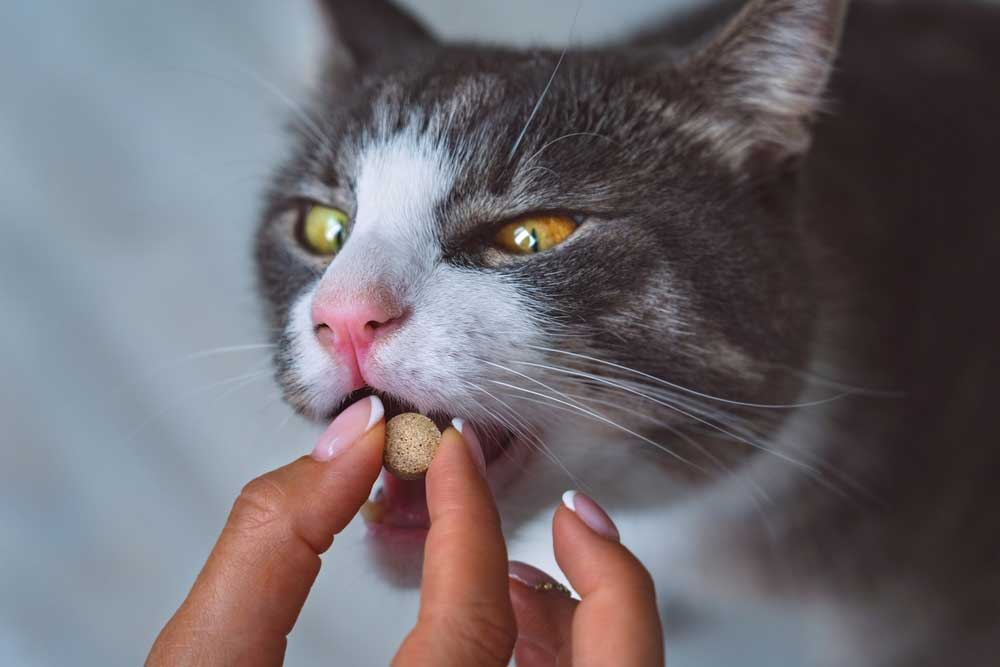
Starting early beats starting late in nearly every case. Large-breed puppies carrying dysplasia risk, middle-aged pets with their first slow mornings, and seniors with arthritis on film all benefit, just toward different goals: protection, delay, and comfort. Give any product a solid two months before you decide it’s doing nothing.
| Ingredient | What it targets | Typical time before a change shows |
|---|---|---|
| Glucosamine and chondroitin | Cartilage building blocks and shock absorption | 6 to 8 weeks |
| Omega-3s (EPA and DHA) | Inflammation inside the joint | 4 to 12 weeks |
| Green-lipped mussel | Inflammation plus joint fluid quality | 4 to 8 weeks |
| Collagen, hydrolyzed or UC-II | Cartilage, tendon, and ligament structure | 8 to 12 weeks |
| MSM | Inflammation and connective tissue support | 4 to 8 weeks |
Improvement is usually subtle and behavioral rather than dramatic. A dog trots up the porch steps instead of taking them one at a time. A cat starts jumping onto the bed again, or grooms a patch she’d been letting go. A short video on your phone before you start is the best measuring stick most families have. Consistency is the part that quietly fails: a chew given four days a week never reaches a working level in the tissue, and a month off usually hands back the ground you gained. At recheck exams we reassess range of motion and muscle mass, adjust amounts as your pet’s weight shifts, and stop anything that isn’t helping.
Sudden severe lameness, a leg your pet won’t put down, or a joint that’s hot and swollen isn’t a nutrition problem. That’s an injury or an infection until proven otherwise, and it needs urgent care the same day.
Questions We Hear About Joint Supplements
Can my cat take the same joint supplement as my dog?
Many of the same ingredients appear in both, but the products aren’t interchangeable. Canine chews are portioned for canine body weight, and splitting one by eye leaves you guessing at the dose. Cats also hold strong opinions about texture and smell, so powders and liquids tend to go over better than chews do. Human joint products don’t belong in a cat’s bowl at all. Tell us the species and the weight, and we’ll match the format to the patient.
Will my dog be able to stop pain medication if the supplements work?
Some dogs do get to a lower dose, and that’s a fair goal to aim for, though it isn’t where you start. Nutrition shifts the baseline slowly while medication handles the pain right now. What we see more often is a smaller dose or fewer days per week once omega-3s and the rest have had a couple of months to take hold. Any change to a prescription is a conversation with us first, never a solo experiment at home.
Is a prescription joint diet enough on its own?
Therapeutic joint diets are a legitimate route, since they carry EPA, DHA, and often green-lipped mussel at meaningful levels built right into the food, which solves the daily compliance problem in one move. For a mildly stiff pet, that food alone frequently does the job. For a dog with advanced disease, the diet becomes the base and we layer a dedicated marine oil or collagen on top. What we don’t advise is doubling up blindly, because two products can push a nutrient past the point where it helps.
Building a Joint Plan That Fits Your Pet
Watching your dog think twice about the stairs, or noticing your cat has quietly given up the windowsill, is a hard thing to sit with, especially when the supplement aisle offers forty answers and no way to tell them apart. Creature Comforts Veterinary Service can look at what your pet already takes, tell you honestly whether it’s doing anything, and build the plan around your pet’s own joints instead of the average pet on the label.
Get in touch when you’re ready to sort it out, and if you’re near Saylorsburg with a pet who’s suddenly hurting, we’re here day or night, so a quick call ahead lets us prepare before you arrive.