Deworming your new puppy or kitten cannot wait, because most arrive already carrying worms that eat into the fastest growth of their lives. Roundworms take the nutrients a puppy or kitten needs to build bone and muscle, and hookworms draw blood, so every untreated week is a real loss at exactly the wrong time. A grown dog or cat can absorb that loss for a while; an eight-week-old cannot, and the damage compounds, which is why an infection that barely registers in an adult can leave a young animal anemic or stunted. Starting treatment within the first few days after adoption, then repeating it on schedule, is what changes that outcome.
Creature Comforts Veterinary Service in Saylorsburg wants to meet your new puppy or kitten in the first week home, not because anything is wrong, but because early is when deworming does the most good. Our AAHA-accredited hospital builds wellness visits for puppies and kittens around this window, with in-house fecal screening to see what your pet actually brought home and a repeat schedule so the larvae still maturing are treated too. Because we are open around the clock, that first visit does not have to wait if you’re worried, so get in touch and we will start your new pet on a deworming plan matched to their age.
Deworming a New Puppy or Kitten, in Brief
- Most puppies and kittens are already carrying worms when they come home, usually passed from their mother before birth or through her milk.
- One dose reaches only the worms already grown in the gut that day. Treatment repeats every two weeks from about two weeks of age through 8 to 16 weeks.
- Waiting for symptoms doesn't work, because a young animal can carry a heavy parasite burden and still look bright, round, and playful.
- Monthly year-round prevention and fecal testing at wellness visits keep the gaps closed once the puppy and kitten series ends.
Where Do Worms Come From When My Puppy Has Never Left the House?
Most puppies and kittens are infected before they ever come home. Roundworms and hookworms cross into a litter in the womb and again through the milk, which means a first exam can turn up a positive in a puppy who has never touched grass; in kittens, milk is the main route. The rest show up later from soil, fleas, and whatever a curious mouth finds outside.
Roundworms and Hookworms: The Two That Come With the Litter
Roundworms are the most common intestinal parasite we find in young animals. Adult females shed enormous numbers of eggs, and those eggs survive in dirt for years, riding out freezes and dry spells until a nose or a paw finds them. A yard that housed an infected litter three summers ago can still hand worms to this summer's puppy.
Hookworms travel the same routes but do more damage, because they latch onto the intestinal wall and feed on blood. In an eight-week-old, that adds up fast. Pale gums, weakness, dark tarry stool, or a young patient who won't get up all mean emergency care at any hour, not a wait-and-see morning.
Whipworms and Tapeworms: Dirt and Fleas
Whipworms shed eggs in bursts instead of steadily. A dog with a load of whipworms can give you a clean fecal sample and still be carrying them, and risk climbs with access to dog parks and shared ground. Repeat testing settles it, and whipworms stay a canine problem rather than a feline one. Tapeworms arrive when a puppy or kitten swallows an infected flea while grooming, so the rice-like segments around the tail are really a flea problem announcing itself, and treating the worm without the fleas guarantees a repeat. Flea control belongs in the deworming conversation, not on a separate to-do list.
Coccidia and Giardia: Not Worms at All
Giardia is a single-celled organism rather than a worm, which is why standard dewormers leave it untouched and why a pet can reinfect themselves from cysts clinging to their own coat. Coccidia behaves the same way: a protozoan, common in crowded or stressful settings, needing its own medication and its own testing to find. Breaking the reinfection loop takes a few household steps while treatment is underway:
- Bathe and rinse well: a bath near the end of treatment removes cysts stuck to the coat and the fur around the back end.
- Pick up stool immediately: every pile left outside reseeds the ground your pet walks on tomorrow.
- Clean hard surfaces, then let them dry: cysts don't survive thorough drying, so dry time matters as much as the cleaner.
- Wash bedding and soft toys hot: a hot cycle and a high-heat dryer handle what mopping misses.
Why Doesn't One Dose of Dewormer Finish the Job?
One dose can't finish the job, because the medication only reaches part of what is living inside your pet. Deworming strips out the adult worms sitting in the intestine the day you give it. Intestinal parasites are also present in two forms that no dose touches:
- Migrating larvae travel through the body untouched, then mature into egg-laying adults a week or two later.
- Dormant stages park in muscle and other tissue, where no dewormer reaches them.
In a female dog or cat, those dormant stages wake during pregnancy and travel straight to the next litter, which is how the whole cycle keeps running without any outside exposure at all.
Reinfection is the other half of it. Puppies mouth everything; kittens groom whatever they walked through. Young animals keep collecting new eggs while yesterday's are being cleared. Repeating on schedule stays ahead of both problems.
How Would I Even Know My Pet Has Worms?
Most families wouldn't know from looking, and that's the real trouble with parasites in a kitten or puppy. Soft stool that comes and goes gets blamed on a food change or the stress of a new home, when it's often the only outward sign of a parasite load that has been building quietly for weeks. The other clues are just as easy to explain away:
- A dull coat or a pot-bellied look on a pet who is eating well
- Weight gain that stalls between visits
- Occasional vomiting, sometimes with a spaghetti-like worm in it
- Pale gums and low energy, which point toward blood loss
- Scooting or fussing at the back end
Testing does the work that watching can't. Fecal testing comes in more than one form, and the difference matters: flotation catches eggs floating out of a prepared sample, while antigen testing finds infections that happen not to be shedding eggs the morning you collected it. Our in-house laboratory screens samples during the appointment, so treatment is aimed at what your pet has rather than what's statistically likely. When diarrhea sticks around after a round of medication, a repeat sample or a more sensitive panel usually sorts out whether a protozoan, a missed parasite, or something else entirely is behind it.
How Often Should My Puppy or Kitten Be Dewormed?
Deworming every two weeks from roughly two weeks of age through 8 to 16 weeks is the backbone of parasite prevention guidelines, and that interval is timed to how long the next wave of larvae needs to mature into adults the previous dose could not reach. Monthly prevention can begin as early as 8 weeks and continues year-round from there.
What schedule your pet needs will depend on where they came from, what current exposure they have, and if any symptoms are present. A kitten from an outdoor barn colony needs a different plan than one from a third-story apartment, and a puppy coming as a stray from a shelter needs a different plan than one coming from a breeder who already had an established deworming plan in place.
Here’s what an example schedule can look like:
| Age | What the standard schedule looks like | Why the timing works |
| Around 2 weeks | First deworming, usually with the littermates and the mother | Roundworms passed before birth are already maturing |
| 4 to 8 weeks | Treatment repeats every two weeks | Each round clears the larvae that grew up since the last one |
| 8 to 16 weeks | Deworming continues alongside vaccine appointments, and monthly prevention can start | Exploring, mouthing, and grooming keep reinfection risk high |
| 4 months onward | Monthly prevention year-round, with fecal testing at checkups | Coverage only works without gaps |
None of this has to be its own errand. Deworming rides along with puppy and kitten wellness visits, where vaccines, weight checks, and the first big questions about food and training get handled in the same room.
Does Prevention Really Need to Keep Going All Winter?
Stopping prevention after the first frost is a holdover from an older era, since year-round parasite prevention accounts for the eggs and larvae that persist in soil, leaf litter, and heated indoor spaces long after mosquito season ends. A Poconos winter doesn't sterilize anything: roundworm eggs sit in frozen ground and wait, fleas live comfortably in a warm house in January, and one mild stretch in February can put mosquitoes back in the air for a week.
Heartworm is where the math gets lopsided. A monthly chewable is the entire cost of heartworm prevention, while treating an established infection means months of restricted activity, a series of painful injections, and no approved treatment at all for cats. Most monthly products cover intestinal worms and heartworm together, which collapses the whole plan into one dose on the same day each month. We pair that with routine bloodwork and heartworm screening to confirm the protection is holding.
Does My Indoor Kitten Need the Same Plan as a Barn Dog?
Exposure isn't equal, so the plan shouldn't be identical. A dog who hunts, swims, boards, or shares ground with livestock and wildlife carries far more risk than a cat who never goes past the porch, though indoor cats still pick up fleas that hitch a ride in and eggs tracked inside on shoes. Regional parasite prevalence also shifts year to year with weather, wildlife movement, and how many untreated animals share the same ground your puppy walks on.
- Outdoor access and hunting: rodents, rabbits, and carrion carry parasite stages that a successful hunter swallows whole.
- Contact with other animals: daycare, boarding, grooming, dog parks, farm settings, and multi-pet households all widen the circle of exposure.
- Lower-risk lives: a single indoor cat on consistent flea control, in a home with a yard that gets picked up daily, needs less frequent testing than a farm dog, though not none.
Sorting out which of these apply is a short conversation at a checkup, and we'll size the plan to the life your pet leads rather than a generic template.
Can My Kids Catch Worms From the New Puppy?
Several common pet parasites do move to people, though the routes are predictable and the habits that block them are ordinary. Children are the most common human victims of zoonotic parasites, because roundworm eggs survive for years in sandboxes and garden soil and reach a mouth by way of unwashed hands.
Hookworm larvae take a different path, burrowing through bare skin on contact with contaminated sand or dirt and leaving itchy tracks behind. Giardia spreads through contaminated water and hand-to-mouth contact inside a household. Tapeworm transmission requires swallowing an infected flea, which is uncommon in people but not impossible in a toddler. Anyone pregnant, elderly, or on medication that suppresses the immune system has more reason to be careful. The puppy doesn't need to stay out of your child's room, though, because the habits that close these routes are small ones:
| What to do at home | Why it works |
| Keep pets current on deworming and fecal checks | Treats the source instead of working around it |
| Shoes on anywhere the dogs relieve themselves | Hookworm larvae enter through bare skin |
| Daily yard pickup and a lid on the sandbox | Roundworm eggs need days in soil before they turn infectious, and daily cleanup beats that clock |
| Handwashing after play, litter duty, and yard time | Roundworm and Giardia both reach people hand to mouth |
| Flea control every month of the year | Fleas are the only route a tapeworm has |
How Does a Deworming Appointment Actually Go?
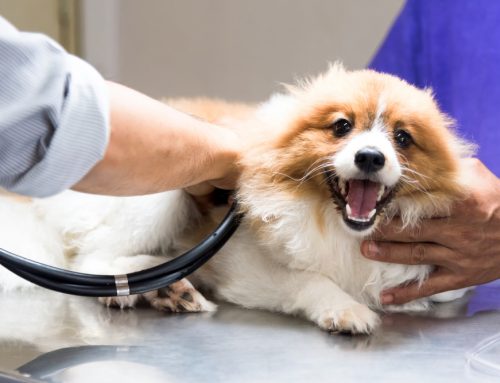
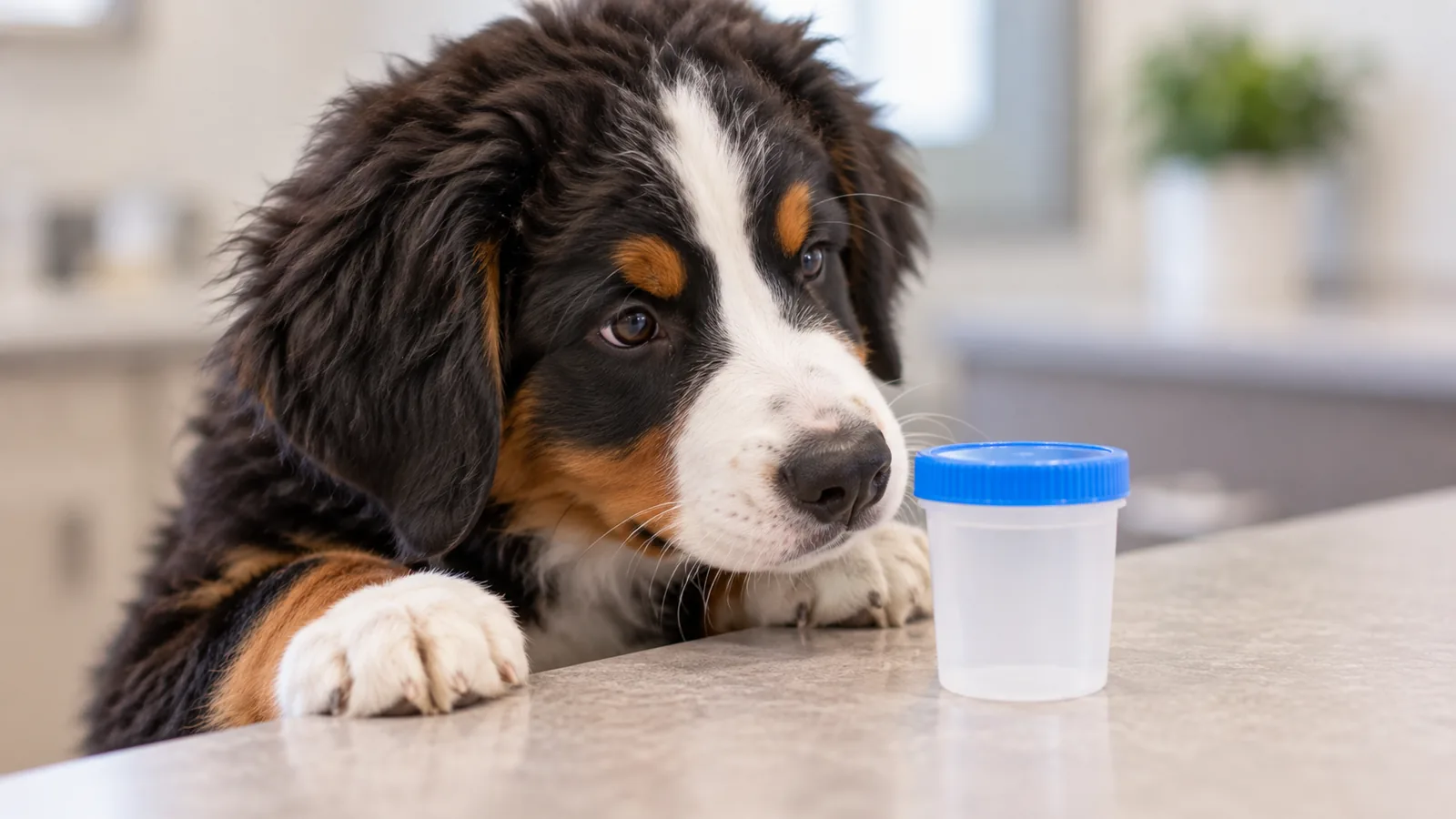
A deworming appointment is a short, quiet visit. We start with a full physical exam and an accurate weight, since dosing is calculated by body weight and a young patient can outgrow last month's number, then run a fecal test when it's indicated and give the medication in the room before you leave. It comes as a flavored liquid, a paste, a chewable tablet, or a topical applied between the shoulder blades, and most puppies and kittens take the liquid without much comment. A fresh stool sample from home, collected that morning, makes the visit go faster.
Mild, brief effects afterward are normal: a soft stool for a day, less interest in dinner, and visible worms passing as they're cleared, which looks alarming and means the medication is working. Give us a ring if vomiting repeats, diarrhea turns bloody, the gums look pale, or your puppy or kitten goes flat and won't eat. Our emergency service runs around the clock, so call ahead at any hour and we'll tell you whether to come in now or in the morning.
A few things make matters worse at home. Never give a dog's flea or heartworm product to a cat, because some canine ingredients are toxic to cats. Skip feed-store folk remedies like garlic and diatomaceous earth, which don't clear worms and can irritate a young gut. Don't repeat a dose on your own after spotting a worm; extra medication doesn't speed anything up.
Deworming Questions Pet Families Ask Us Most
Will a Feed Store Dewormer Do the Job?
A feed store dewormer does part of the job and leaves two gaps behind.
- Coverage stops early. These products clear roundworms and sometimes hookworms, while tapeworms, whipworms, coccidia, and Giardia stay put.
- Dosing runs by body weight. A three-pound kitten leaves almost no margin for a guess.
Without a fecal test, you are treating blind on top of both.
Should Mom Be Dewormed Too?
Treating the mother alongside her litter is standard, and it matters more than most families expect. Dormant larvae in her tissue reactivate during pregnancy and nursing, which is how the babies became infected in the first place, and she keeps shedding eggs into the exact space where they eat and sleep. Treating the litter while leaving her untreated sets up a second round within weeks.
I Saw Something Moving in the Stool. What Now?
Long, pale, spaghetti-like worms are almost always roundworms. Small rice-grain segments near the tail or in the bedding point to tapeworms, and that means fleas are in the picture too. Bag what you found or take a photo, collect a fresh stool sample, and give us a call. Seeing worms after a dose is expected; seeing them in a pet who hasn't been treated yet means it's time to come in.
Let's Build Your Puppy or Kitten's Deworming Plan Together
Parasites are a gross but normal part of raising a new puppy or kitten. We track where your pet sits in the deworming schedule, and when something looks off between appointments, Creature Comforts Veterinary Service in Saylorsburg takes emergency calls at any hour. Book a visit and we'll get your puppy or kitten started on a plan matched to their age, their household, and the life they're growing into.