The first question most families ask after a congestive heart failure diagnosis is whether their pet still has comfortable time ahead, and for many pets the answer is yes. Congestive heart failure describes fluid collecting in the lungs or the abdomen because the pumping has weakened. Medication clears that fluid and eases the strain, and many dogs and cats are back to eating, sleeping, and taking short walks within days of starting it. What shapes the months that follow is mostly what happens at home: medication given on schedule, a resting breathing rate you count while your pet sleeps, and a call to us when that number starts climbing.
At Creature Comforts Veterinary Service in Saylorsburg, a murmur or an irregular rhythm is usually something we hear during a routine wellness exam, often before anything shows up at home. That head start lets us image the heart and begin treatment early, and our in-house pharmacy keeps daily medication straightforward to refill. Because we provide emergency care around the clock, a night when your pet’s breathing changes does not mean waiting until morning. If your pet has a murmur or is an at-risk breed, ask us about your pet’s heart and we will get a visit on the books.
Start Here: Heart Failure in Plain Terms
- Congestive heart failure means fluid is backing up because the pumping has weakened, not that the heart has stopped, and medication usually clears that fluid within a few days.
- A resting breathing rate, counted while your pet sleeps, is the most useful number you can track at home, and a steady climb above roughly 30 breaths a minute usually means fluid is returning.
- Labored breathing, open-mouth breathing in a cat, gums that look gray or blue, and sudden collapse all need care immediately, at any hour.
- Many dogs and cats live comfortably for months to years on consistent medication and regular rechecks, and the earlier treatment starts, the better that stretch tends to go.
What Is Congestive Heart Failure in Dogs and Cats?
Congestive heart failure isn’t a disease of its own but a late point along the path of heart disease, the place where the heart’s pumping ability drops far enough that fluid backs up into the lungs or the belly. Failure here means struggling, not stopped.
Where the fluid lands changes what you see. In dogs it usually seeps into the lung tissue itself, which is why a soft nighttime cough is such a common first complaint. A cough isn’t proof of heart trouble, though. Kennel cough, a collapsing trachea in a small dog, and airway disease can all sound much the same from across the room, so a new cough is worth a listen rather than a wait. Cats pool fluid in the space around the lungs instead, so they show fast, shallow breathing rather than coughing. Fluid in the abdomen can also come from heart disease, and gives a pet a round, firm belly that looks like weight gain but isn’t.
How Does Heart Disease Become Heart Failure?
Heart disease and heart failure aren’t the same moment. The earliest signs of heart disease usually surface only after the heart has quietly compensated for months or years. When something sounds off during an exam, our in-house diagnostics mean we can go looking the same day.
What Causes Congestive Heart Failure in Pets?
Most heart failure traces back to one specific problem: a leaking valve, a muscle that has grown too thick or too floppy, an off rhythm, or a defect present at birth. Knowing a dog or cat’s breed-specific health risks changes how early we start listening closely.
Which Heart Diseases Show Up in Which Pets?
- Small-breed dogs: Mitral valve disease is the most common road to heart failure, and Cavalier King Charles Spaniels tend to start down it years earlier than other breeds. The leak announces itself as a murmur long before any cough starts.
- Large-breed dogs: Dilated cardiomyopathy stretches the muscle thin so it squeezes weakly, and Dobermans, Great Danes, Boxers, and Irish Wolfhounds are overrepresented. It can stay silent right up until a sudden collapse.
- Rhythm disorders: Boxers carry an inherited arrhythmia that causes fainting spells with no murmur to warn anyone first, and any dog with an enlarged heart can develop atrial fibrillation.
- Cats: Hypertrophic cardiomyopathy, a thickening of the heart muscle that leaves less room for blood to fill the chambers, is the most common feline heart disease, and Maine Coons sit near the top of the predisposed list. Arrhythmias turn up in cats too.
Can Pets Be Born With Heart Problems?
Congenital heart disorders caught at a first puppy or kitten exam are sometimes correctable with surgery, long before the heart ever begins to strain. Patent ductus arteriosus is the classic example: a vessel that should seal shortly after birth stays open, and the extra blood volume overloads the left side. That repair is specialty surgery, so we refer it to a veterinary cardiology center and coordinate the appointment for you. Leaky valves and rhythm irregularities also turn up in young animals, which is why puppy and kitten wellness visits include a careful listen at more than one spot on the chest.
Can Problems Outside the Heart Cause Heart Failure?
Plenty of cardiac trouble starts somewhere else in the body. In older cats, hyperthyroidism keeps heart rate and blood pressure elevated month after month until the muscle thickens under that constant demand. Systemic hypertension does something similar from a different direction, driven by kidney disease, thyroid disease, or a few medications, and the same high pressure can detach a retina, so sudden blindness in an older cat is often a blood pressure problem. Cancer plays a role too, and hemangiosarcoma at the base of the heart can fill the sac around it until the heart can’t fill properly.
That’s why a cardiac workup includes bloodwork: thyroid values, kidney function, and electrolytes often explain what the stethoscope found.
What Are the Warning Signs of Heart Failure at Home?
Families spot the first changes, because you know what your pet’s normal looks like. Labored breathing, gums that look blue or gray, open-mouth breathing in a cat, or a collapse that comes out of nowhere all count as respiratory distress, and every one of them is a right-now sign rather than a wait-until-morning sign.
| Stage | What it looks like | What to do |
| Early | Tiring sooner on a familiar walk, a soft cough after lying down, more sleep than usual, a cat retiring upstairs and staying there | Book a recheck in the next week or two and start counting sleeping breaths |
| Progressing | Sleeping breaths creeping up, a belly that looks round and firm, restlessness at night, appetite sliding, weight dropping | Call us within a day; medication doses usually need adjusting |
| Emergency | Fast hard breathing that won’t settle, gums that look pale or bluish, fainting, a cat panting or breathing with their mouth open | Come in immediately, at any hour |
Fainting deserves its own note. Your dog drops, goes limp for a few seconds, then gets up and carries on as though nothing happened. It’s a brief interruption of blood flow to the brain, and it always needs a call.
Weather matters more than most families expect. Humid Pennsylvania summers, a cold snap that makes a dog work harder outside, and a drive into higher elevation can all nudge a stable pet’s breathing rate up, and seasonal swings often prompt a medication tweak.
A few things make matters worse, so skip them. Never restrict your pet’s water to cut down on fluid, never give human cough syrup, decongestants, or pain medication, and don’t skip or double a medication dose on your own judgment. If your cat is breathing hard, keep handling brief. Then call and come in, because our round-the-clock emergency care means a 2 a.m. breathing change gets treated at 2 a.m.
How Do Veterinarians Diagnose Heart Failure?
Diagnosis answers three questions: whether there’s fluid where it doesn’t belong, what’s wrong with the heart’s structure or rhythm, and how the other organs are coping. The answers decide which medications your pet gets and at what dose.
What Do the Heart Tests Actually Show?
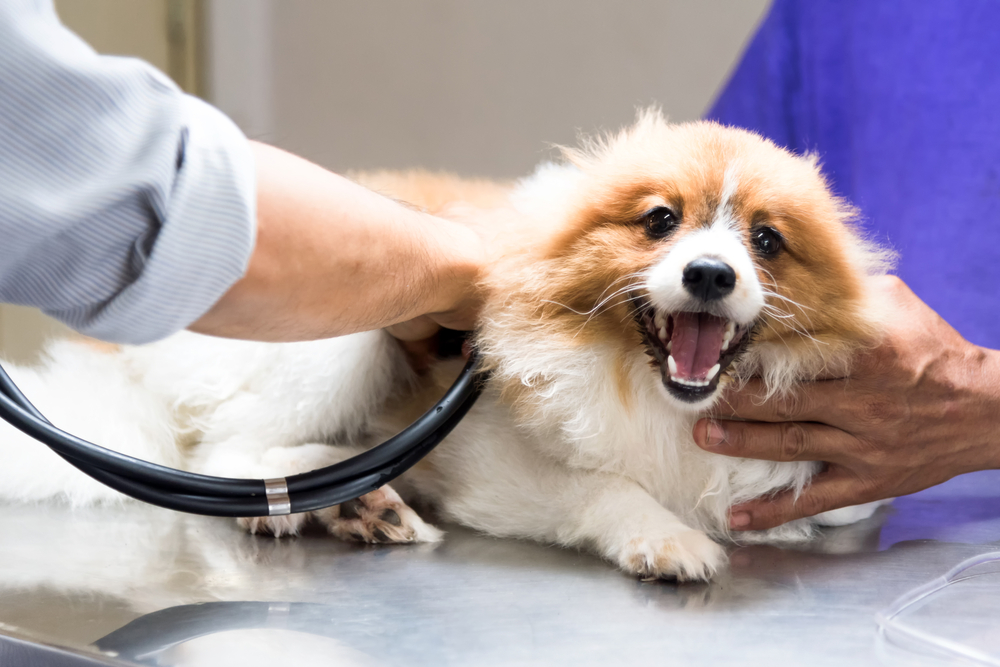
Radiographs usually come first for a pet in distress, since they reveal fluid in or around the lungs and how far the chambers have enlarged. An echocardiogram shows the heart beating in real time and measures chamber size, valve movement, and pumping strength, which is what separates one cardiac diagnosis from another. An electrocardiogram catches rhythm problems a stethoscope alone can miss, and bloodwork tells us whether a particular drug and dose are safe to start.
Chest X-rays and ultrasound both happen here in Saylorsburg, so a pet who’s working to breathe isn’t sent on a drive before anyone knows what’s wrong.
Why Screen a Pet Who Seems Fine?
Screening exists to find heart disease during the quiet stage, while there’s still room to plan instead of react. ProBNP testing measures a protein the heart muscle releases when it’s working under strain, so one blood draw can flag a problem before the first cough shows up. Most murmurs turn up during annual or biannual senior visits. Depending on breed and age, that visit may add a blood pressure reading, baseline chest films, or a plan to listen again in six months.
What Happens After a Congestive Heart Failure Diagnosis?
The first job is breathing. Once the fluid is off and your pet is resting comfortably again, care shifts to a daily routine you run at home: medication on a schedule, a breathing count, and rechecks spaced to catch small changes before they become a crisis.
What Does Emergency Stabilization Look Like?
Emergency treatment for heart failure aims squarely at breathing, with oxygen, an injectable diuretic to pull fluid off the lungs, and the quietest handling we can manage. Most pets are visibly more comfortable within hours. Some go home the same day; others stay overnight on oxygen and injectable medication until the fluid is off and the breathing has settled.
Stress is its own enemy here, since a frightened animal burns oxygen a struggling heart can’t spare, so a cat gets to settle with oxygen before anyone reaches for a stethoscope. If you’re on your way in with a pet in trouble, call ahead so we can prepare.
What Medications Manage Heart Failure Long Term?
| Medication type | What it does | What we monitor |
| Diuretics (furosemide, torsemide) | Pull excess fluid out through the kidneys | Kidney values, electrolytes, thirst and urination |
| Heart support (pimobendan) | Helps the muscle squeeze harder and opens up blood vessels | Appetite, energy, sleeping breath counts |
| Vessel and pressure drugs (enalapril, benazepril, spironolactone) | Lower the resistance the heart pumps against | Blood pressure and kidney function |
| Rhythm drugs (sotalol, diltiazem) | Steady a fast or irregular beat | Heart rate and rhythm at rechecks |
| Clot prevention (clopidogrel) | Reduces clot risk in cats with an enlarged left atrium | Signs of sudden hind-limb weakness |
Finding the right combination takes a few rechecks and some fine-tuning, and that’s normal.
What’s My Job Between Visits?
Counting your pet’s resting respiratory rate while they sleep takes about 30 seconds, and a steady climb above roughly 30 breaths per minute is usually the first sign fluid is building again, often days before anything else looks off.
- Count once a day, asleep: Watch the chest rise for 15 seconds and multiply by four. A trend upward across three or four days means call.
- Track appetite and energy: A pet who walks away from dinner two nights running, or who stops meeting you at the door, is telling you something the numbers haven’t yet.
- Give medication on time, every time: A missed diuretic dose can let fluid rebuild within a day. Alarms and refills ordered early both help.
- Check the gums: Healthy gums are bubblegum pink. Pale, gray, or bluish gums mean come in now.
- Know the clot emergency in cats: Saddle thrombus causes sudden hind-leg weakness, cold hind feet, and loud crying. It’s painful and it’s an emergency.
How Long Can a Pet Live With Congestive Heart Failure?
Many dogs and cats live comfortably for months to years after this diagnosis, and plenty reach the two-year mark and beyond. The range is wide because outcome depends on the underlying disease, how early treatment began, and how a particular pet responds to their medication.
Valve disease in a small dog often progresses slowly, with years of good living once the first crisis is behind them, while dilated cardiomyopathy and feline clot complications tend to be less forgiving. Later on, if medication stops holding the line, we’ll be straight with you about what we’re seeing and talk through what comfort looks like from there.
What Makes Heart Care at Home Easier Day to Day?
Heart care gets manageable when it attaches to something already fixed in your day, so tie doses to your own routine rather than to a clock you have to remember. Pills go down with the morning coffee. The breathing count happens while your pet naps after dinner.
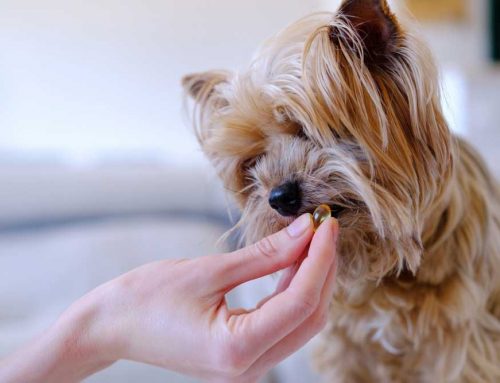
- Make pilling painless: A soft treat, a pill pocket, or a bit of canned food usually does it, and a weekly organizer tells you at a glance whether a dose got missed. We can also work with a compounding pharmacy to make flavored liquids if that is easier.
- Set the house up for rest: Water within a few steps, a cool room in July, a litter box on the main floor for a cat, and a ramp where stairs used to be.
- Keep exercise gentle and short: Several brief outings beat one long one, and let your pet set the pace. Midday heat is worth avoiding entirely in summer.
- Keep one running log: Breath counts, weight, appetite notes, and doses on a single page. Bring it to every recheck; it often changes what we do next.
Call us when a number looks wrong, a dose isn’t going down easily, or something just seems off to you.
How Should Families Plan for Long-Term Heart Care?
Heart disease is a long-haul condition, and the rechecks, imaging, and daily medication stack up over months rather than arriving all at once. Pet insurance is worth looking into early for a breed with known cardiac risk, since policies generally won’t cover a condition a pet already has. When decisions have to be made, we’ll tell you plainly which tests and medications are carrying the most weight for your pet.
Questions We Hear About Pets With Heart Failure
Does a Heart Murmur Mean My Pet Will Go Into Heart Failure?
No, and plenty of murmurs never cause trouble at all. Some are innocent flow murmurs in young animals that fade as they grow, and others reflect a valve that leaks a little and will keep leaking a little for years. What a murmur does call for is a closer look, because imaging tells us whether the chambers have started to enlarge, and that answer determines whether your pet needs medication now or just a recheck on the calendar.
Can Diet Changes Help a Pet With Heart Disease?
Diet plays a supporting role rather than a starring one. Cutting sodium matters most, and the biggest sources are usually treats, table food, and dental chews rather than the food in the bowl. Keeping weight steady helps too, since extra pounds add work the heart doesn’t need. Some dogs eating certain grain-free or boutique diets have developed a reversible form of dilated cardiomyopathy, so bring your labels to your next visit.
What Should I Do if I Miss a Dose of Heart Medication?
Give it as soon as you remember, unless the next dose is nearly due, in which case skip the missed one and carry on with the regular schedule. Never double up to catch up, particularly with a diuretic, since that can dehydrate a pet and stress the kidneys. One missed dose rarely causes a problem. Count breaths that evening, and if the number has jumped or breathing looks harder, call us.
Caring for a Heart Patient at Creature Comforts Veterinary Service
A heart failure diagnosis makes for a hard day, and the week after it can feel like a lot to hold: a new pill schedule, a number to count, a low hum of worry while your pet sleeps across the room. It does get lighter. Most families settle into the rhythm within a couple of weeks.
Your part is watching, counting, and calling when something shifts. Ours at Creature Comforts Veterinary Service is finding the combination that works for your pet and adjusting it as the months go on. If your pet has a murmur, has been coughing at night, or has been tiring on the same walk they’ve always loved, book a visit and let’s take a listen.